
 Vérifié
Granite is a popular choice for countertops, flooring, and other surfaces due to its durability and aesthetic appeal. However, yellowing can occur over time, manifesting as a subtle shift in color that makes previously white or light-colored surfaces appear dull or stained. Homeowners may notice uneven patches or spots that stand out against the original color. It’s important to be mindful that yellowing can often be mistaken for stains from spills or other substances. Understanding the reasons behind granite yellowing promptly is crucial for homeowners and professionals alike.
This phenomenon can stem from various factors, including environmental influences, improper cleaning techniques, and natural aging processes. In this article, we will explore the common causes of granite yellowing, how to identify the problem, and effective solutions to restore your granite’s original brilliance.

Composition of Granite
It is important to understand the composition of granite for grasping why granite may yellow. If you’re selecting granite for a project, knowing the minerals present in granite, helps you understand which components are more likely to react with environmental factors, leading to granite yellowing.
Granite is an igneous rock composed of several key minerals, typically grantie has floowing minerals:
- Quartz (20-60%): A hard, crystalline mineral that provides strength and durability.
- Feldspar (60-80%): The most abundant minerals in granite, which can be further divided into:
-
- Alkali Feldspar (e.g., orthoclase, often pink or white)
- Plagioclase Feldspar (usually white or gray)
-
- Mica (2-10%): Includes minerals like biotite (black) and muscovite (white or silver) that add sparkle and color.
- Amphibole: Dark minerals such as hornblende that contribute to the overall color and character.
- Accessory Minerals: Smaller amounts of other minerals, including zircon and magnetite.
Iron is typically present in the form of minerals like biotite, amphibole, and magnetite. While it may not be a major component (usually around 1-5%), it plays a crucial role in determining the granite’s color. Iron-rich minerals can give granite darker hues and patterns
ALSO READ | Does Granite Stain? Understanding the Risks, Prevention & Solution
.webp)
Granite Yellowing – Reasons
You must be wondering why there is an emphasis on iron. It’s because iron is one of the primary culprits for yellowing. When granite is exposed to moisture and air, the iron present in granite can oxidize, leading to rust formation. This oxidation process results in granite yellowing.
While some other minerals, like mica (which can react with other minerals along with moisture), clay minerals (which react with water and pollutants), and calcium carbonate (although not common, it reacts with acidic substances leading to color change, as well as aluminum (through chemical reactions), can also contribute to granite yellowing.
While mineral play imporant role in granite yellowing, The environment where the granite is installed can impact its color stability. Areas with high humidity, exposure to sunlight, or extreme temperature fluctuations can accelerate yellowing.
Granite yellowing can also result from various other factors. Discoloration may be caused by mineral deposits from soil or water, growth of algae or moss in damp or shaded areas, or staining from organic matter like leaves or bird droppings.
Many types of granite are susceptible to a process known as granite yellowing. Let’s explore which types of granite are more prone to this phenomenon and why.
.webp)
Which Types of Granite Get Yellow?
Certain colors of granite are more prone to yellowing than others due to their mineral composition and surface characteristics.
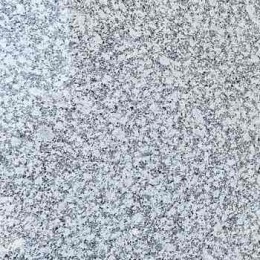
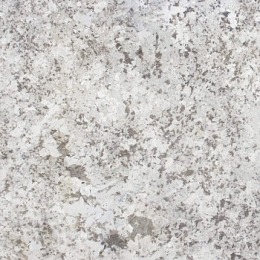
- Light-colored granites, particularly those with a white, beige, or cream base, may show yellowing more prominently.
- Some naturally yellow granites may become more pronounced over time.
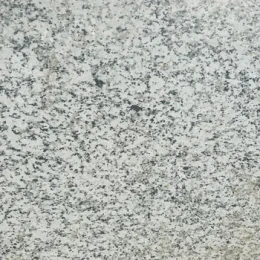
- Gray granites, especially those with lighter shades, can also exhibit yellowing, particularly if they have a high quartz content.
- Some black granites with light veining or patterns may show yellowing where the lighter colors are present.
.webp)
Why Are White or Light-Colored Granites More Susceptible to Yellowing?
The light background makes any discoloration, such as yellowing, more noticeable. White and light-colored granites tend to be more porous than darker counterparts, allowing substances to penetrate more easily. Additionally, white granites often contain higher levels of iron-bearing minerals, which can oxidize and lead to discoloration. The specific mineral makeup can influence how the granite reacts to environmental elements, including sunlight and humidity, which can accelerate the yellowing process. Furthermore, light-colored granites may exhibit marks or discoloration from harsh cleaning products or improper maintenance. Finally, lighter surfaces can accumulate dirt, dust, and oils, resulting in stains that contribute to a yellowish appearance over time.
ALSO READ | Dark or Light Granite: How and Why to Choose One Over the Other?
Best Way to Prevent Granite Yellowing
Know Your Granite Before Buying
One of the most effective ways to prevent granite yellowing is to thoroughly understand the characteristics of the granite you are considering before making a purchase. Some granite varieties are inherently more susceptible to yellowing than others, and knowledgeable manufacturers can often provide insights into these tendencies.
Seal Your Granite Regularly
Regularly seal your granite however please note that some granites may require more frequent sealing to prevent discoloration. Understanding these requirements ahead of time can help you maintain the appearance of your granite. Ask these detail before making a purcahse.
Use pH-Neutral Cleaners
Always opt for a granite-safe, pH-neutral cleaner to prevent damaging the sealant. These cleaners are specially designed for natural stone and will not cause etching or discoloration. Opt for non-abrasive cleaning tools like soft cloths or sponges to avoid scratching the surface.
ALSO READ | Is Granite Porous? or Non-porous or How Porous Is it?
.webp)
What to Do if Your Granite Is Turning Yellow
If your granite is already turning yellow, first identify the cause, such as oxidation or stains.
Rust-induced yellowing typically appears as a yellow, orange, or reddish-brown tint that spreads gradually, often along veins where iron-bearing minerals are present. This discoloration is commonly seen near edges or in areas exposed to moisture, such as around sinks or outdoor surfaces.
In contrast, stains vary in color depending on their source: dark brown for oil, green for algae or moss, black from organic debris, or blue/red from dyes or spills. Stains generally have irregular, blotchy shapes, following the outline of spills or contact areas rather than the granite’s natural veins or mineral patterns.
For stains, clean the surface with a pH-neutral cleaner and then apply a poultice, a thick paste made from absorbent materials (like baking soda) mixed with water, to draw out stains over time.
If rust is the issue, use a rust remover specifically designed for granite and ensure the area stays dry to prevent further oxidation. Consider installing a moisture barrier or vapor barrier during granite installation, especially in areas prone to high humidity or moisture, such as bathrooms or near sinks.
If these methods don’t resolve the issue, consider hiring a professional. Finally, reseal the granite to prevent future yellowing.
Conclusion
In conclusion, understanding granite yellowing is essential for maintaining the beauty and longevity of your surfaces. By being aware of the factors that contribute to discoloration, including mineral composition and environmental influences, you can make informed choices when selecting granite. Proper care, including regular sealing and the use of appropriate cleaning methods, can significantly reduce the risk of yellowing. If issues arise, identifying the cause early on will help you implement effective solutions. Whether you’re considering granite for a new project or maintaining existing surfaces, staying informed will ensure your granite remains a centerpiece for years to come.
Stone Galleria: Leading Indian Granite Manufacturer
Browse our extensive range of Indian granites, available in various colours, patterns, and finishes to find the perfect solution for your need. Contact us to learn about the different types of granite and their susceptibility to yellowing, ensuring you make an informed selection.