
 Vérifié
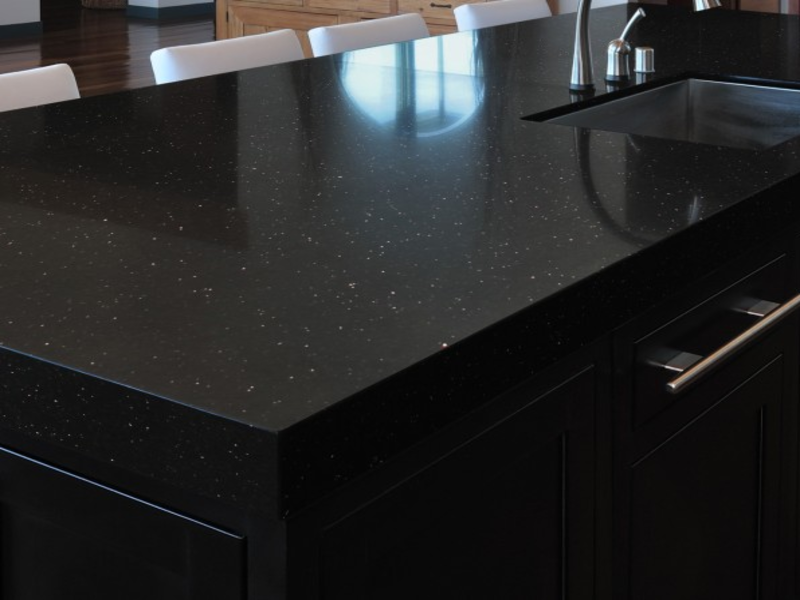
Granite countertops are popular for their durability, aesthetics, and functionality in kitchen design. Among their many touted benefits, heat resistance is often highlighted. In this article, we will delve into the heat resistance of granite, exploring how they perform under high temperatures, comparing them to quartz countertops, and providing practical tips for their maintenance. This comprehensive guide will help you understand everything you need to know about granite countertops and heat resistance.
What is Granite?
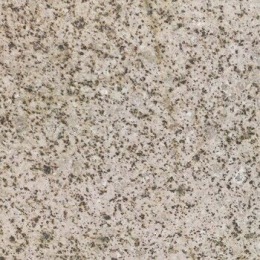
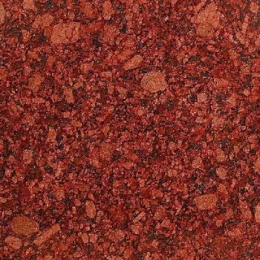
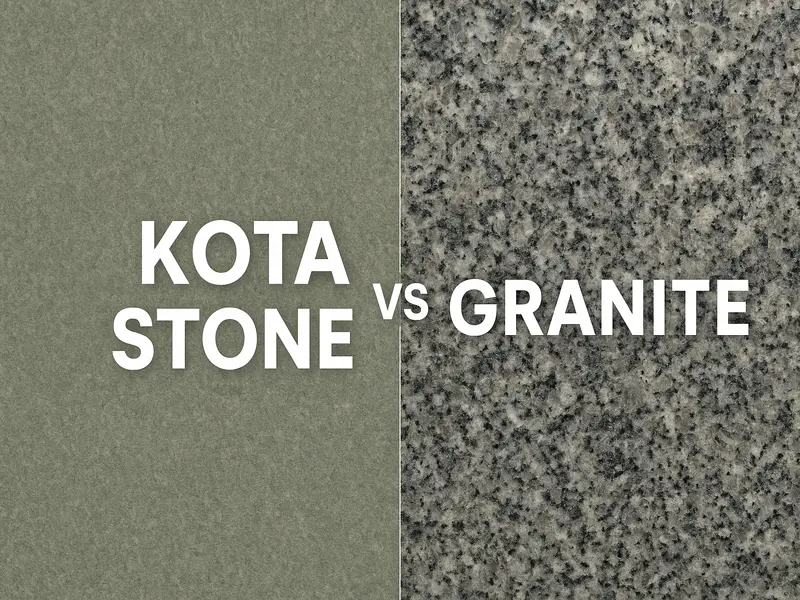
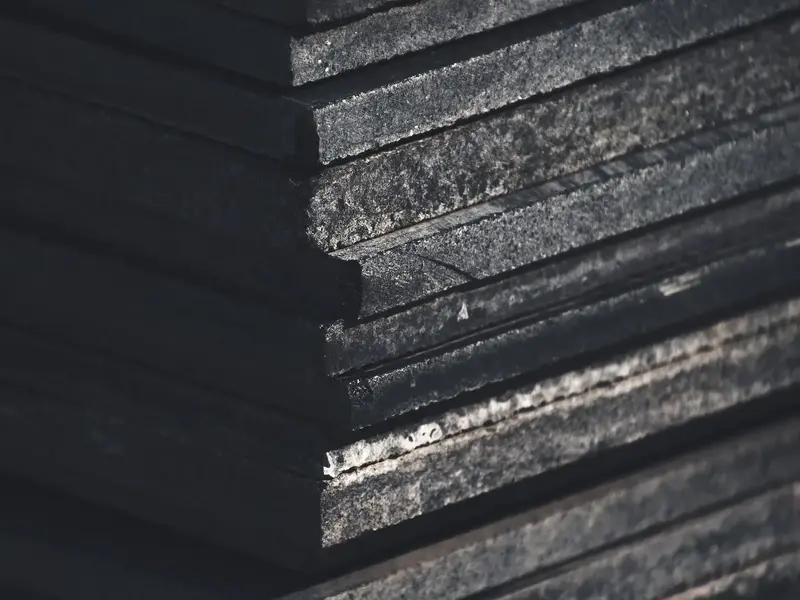
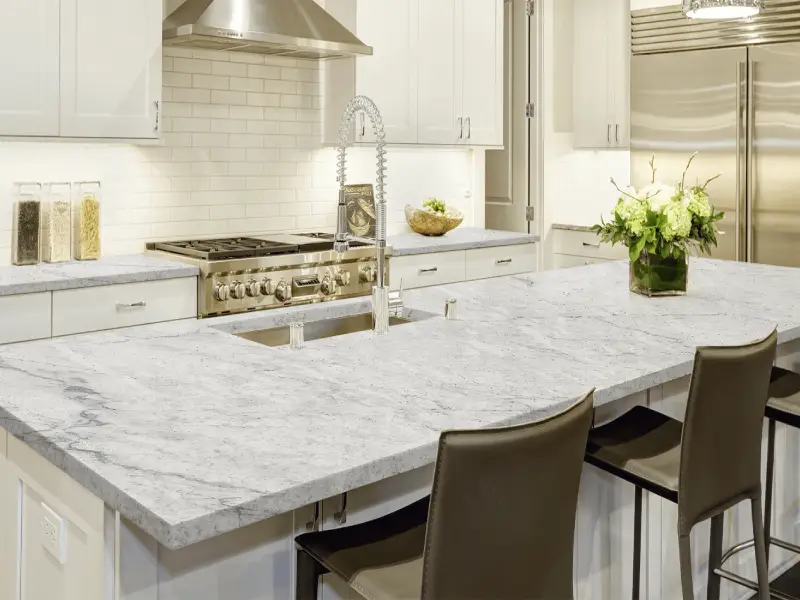
Granite is a natural stone formed from molten magma deep within the earth’s crust. It is composed mainly of quartz, feldspar, and mica, which give it its unique appearance and strength. Granite is extracted from quarries, cut into slabs, and polished for use in construction and interior design. Its natural beauty and resilience make it a preferred material for countertops.
Is Granite Heat Resistant?
One of the most frequently asked questions is, “Is granite heat resistant?” The answer is yes. Granite is naturally heat resistant, which makes it an excellent choice for kitchen countertops where hot pots and pans are a regular occurrence. Unlike some other materials, granite can withstand high temperatures without melting, burning, or cracking.
Also READ |Choosing the Right Natural Stone for Exterior Wall Cladding: A Comprehensive Guide
Why Granite is Heat Resistant
Granite’s heat resistance can be attributed to its formation process. The stone is created under extreme heat and pressure within the earth’s crust, which makes it inherently able to withstand high temperatures. The minerals that make up granite, such as quartz and feldspar, have high melting points, contributing to the stone’s overall heat resistance.
Are Granite Countertops Heat Resistant?
Yes, granite countertops are heat resistant. They can endure the heat from pots, pans, and other kitchen appliances without sustaining damage. However, while granite is heat resistant, it is not entirely impervious to heat damage. Prolonged exposure to extreme temperatures or sudden temperature changes can potentially cause harm.
Practical Heat Limits
While granite can withstand temperatures of up to 480°F (250°C) and higher, it’s still advisable to use trivets or hot pads. Sudden temperature changes, such as placing a hot pot directly from the stove onto a cold granite surface, can cause thermal shock, potentially leading to cracks or discoloration. Using protective measures ensures the longevity and beauty of your granite countertops.
Can Granite Withstand Heat?
When discussing whether granite can withstand heat, it’s essential to consider both everyday kitchen activities and more extreme conditions.
Everyday Kitchen Activities
Granite countertops are more than capable of withstanding the heat from everyday kitchen activities. Placing a hot baking dish or pan on the countertop will not cause any immediate damage. However, to maintain the pristine condition of your granite, using trivets or heat pads is recommended.

Extreme Conditions
In more extreme conditions, such as exposure to high heat for extended periods, granite can still perform well. However, repeated exposure to high temperatures without any protective measures can weaken the stone over time. Therefore, while granite can withstand significant heat, responsible usage and preventive care are crucial.
Granite Countertops and Heat
Understanding how granite countertops react to heat is crucial for their maintenance and longevity. Let’s explore some practical tips and common concerns regarding granite countertops and heat.
Preventing Heat Damage
- Use Trivets and Heat Pads: Always use trivets or heat pads when placing hot pots, pans, or baking dishes on your granite countertops. This prevents direct contact and minimizes the risk of thermal shock.
- Avoid Direct Heat Exposure: Try to avoid placing hot items directly onto the granite surface. Even though granite is heat resistant, direct and prolonged exposure to heat can weaken the stone.
- Seal Regularly: Sealing your granite countertops regularly helps maintain their resistance to heat and other potential damages. A good sealant provides an extra layer of protection.
Common Concerns
- Thermal Shock: Sudden temperature changes can cause thermal shock, leading to cracks. Always allow hot items to cool slightly before placing them on the countertop.
- Discoloration: While rare, extreme and prolonged heat exposure can cause discoloration. Using protective measures can help avoid this.
READ | Building Stone: Granite vs Quartz vs Marble – How Is One Better Than Another?
Granite vs. Quartz Heat Resistance
When choosing between granite and quartz countertops, heat resistance is an important factor to consider. Both materials have their unique advantages and limitations.
Heat Resistance of Granite vs. Quartz
- Granite: As discussed, granite is highly heat resistant. It can withstand high temperatures and is less likely to be damaged by hot cookware.
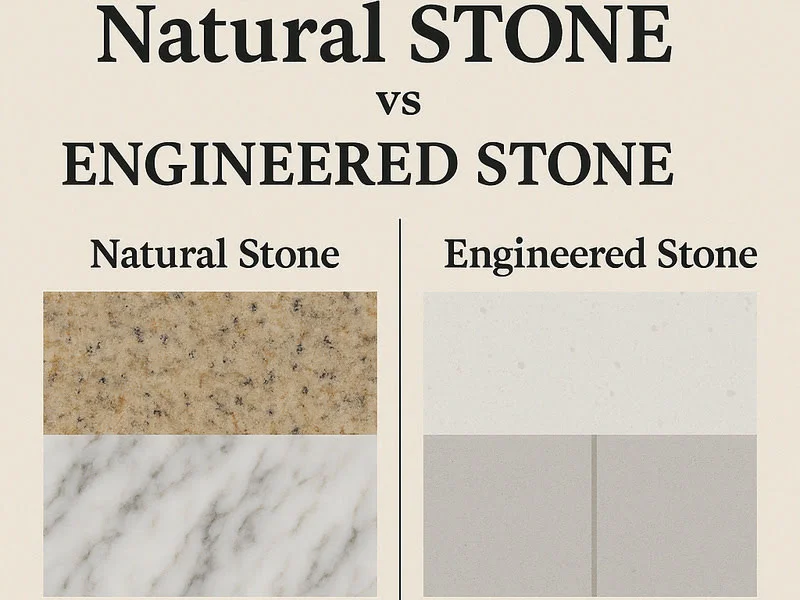
- Quartz: Quartz countertops are engineered stone products made from natural quartz crystals combined with resins and pigments. While quartz is also heat resistant, it is less so compared to granite. The resins in quartz can be damaged by high heat, causing discoloration or warping.
Practical Implications
- Everyday Use: For everyday kitchen use, both granite and quartz are suitable. However, granite offers a slight edge due to its higher heat resistance.
- Extreme Conditions: In extreme heat conditions, granite is more reliable. Quartz countertops require more caution, and hot items should never be placed directly on them.
READ | Quartz vs. Granite – Heat Resistance Comparison
Heat and Quartz Countertops
Understanding how heat interacts with quartz countertops is essential for their maintenance and care.
Quartz Countertop Heat Resistance
Quartz countertops can generally withstand temperatures up to 150°F (65°C) without any issues. However, beyond this point, the resins used in quartz countertops can begin to deteriorate, leading to discoloration or damage.
Tips for Maintaining Quartz Countertops
- Use Trivets and Heat Pads: Always use trivets or heat pads when placing hot items on quartz countertops to prevent heat damage.
- Avoid Direct Heat Exposure: Never place hot pots or pans directly on quartz countertops. The heat can cause the resins to warp or discolor.
- Regular Maintenance: Regular cleaning and maintenance help keep quartz countertops in excellent condition. Use mild detergents and avoid abrasive cleaners.
Is Quartz Heat Proof?
A common misconception is that quartz countertops are entirely heat proof. While quartz is heat resistant, it is not heat proof. Understanding this distinction is important for maintaining the beauty and durability of your quartz countertops.
Heat Resistance vs. Heat Proof
- Heat Resistant: Quartz countertops can resist heat to a certain degree, typically up to 150°F (65°C). They can handle everyday kitchen activities but require protection from direct and prolonged heat exposure.
- Heat Proof: No countertop material is entirely heat proof. Even the most heat-resistant materials, like granite, can suffer damage under extreme conditions or improper care.
Best Practices
- Use Protective Measures: Always use trivets, heat pads, and coasters to protect your quartz countertops from heat.
- Educate Users: Ensure everyone using the kitchen understands the importance of protecting the countertops from heat damage.
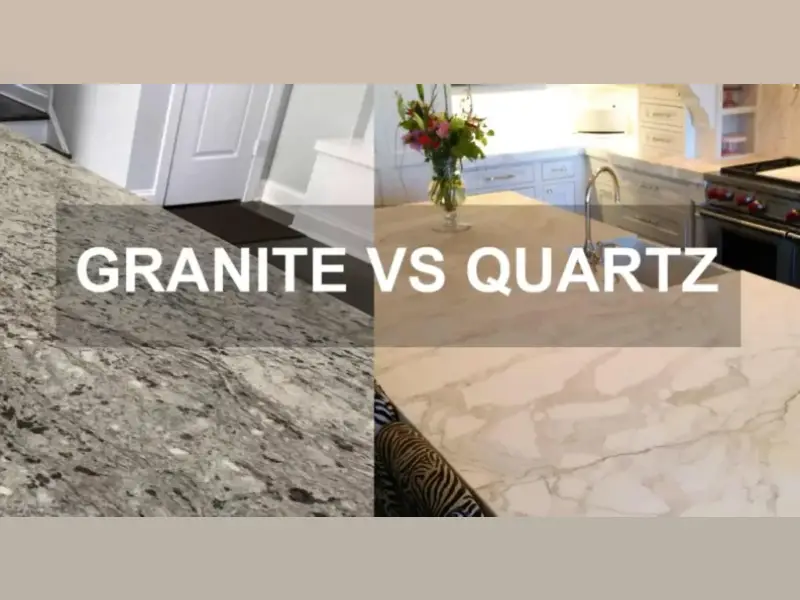
Comparing Granite and Quartz for Heat Resistance
When choosing between granite and quartz countertops, it’s crucial to consider their heat resistance properties in detail.
Pros and Cons of Granite
Pros:
- High heat resistance
- Natural beauty and unique patterns
- Durable and long-lasting
Cons:
- Requires regular sealing
- Can be expensive
- Heavy and requires professional installation
Pros and Cons of Quartz
Pros:
- Non-porous and resistant to staining
- Consistent appearance
- Low maintenance
Cons:
- Less heat resistant than granite
- Can discolor or warp under high heat
- Can be expensive
Making the Choice
When deciding between granite and quartz, consider your specific needs and usage patterns. If heat resistance is a top priority, granite is the superior choice. For those who prioritize a low-maintenance option with a uniform appearance, quartz may be more suitable. Both materials offer unique benefits, so your choice should align with your lifestyle and kitchen usage.
Maintaining Heat Resistance in Granite Countertops
To ensure your granite countertops remain heat resistant and in excellent condition, follow these maintenance tips:
Regular Sealing
Regularly sealing your granite countertops helps maintain their heat resistance and overall durability. Sealants fill the pores in the stone, preventing damage from heat, stains, and moisture. Most experts recommend sealing granite countertops once a year, but this can vary depending on usage and the specific type of granite.
ALSO READ | Does Granite Stain? Understanding the Risks, Prevention & Solution
Cleaning and Care
- Daily Cleaning: Use a mild detergent and warm water for daily cleaning. Avoid harsh chemicals and abrasive cleaners, which can damage the sealant and the stone.
- Spill Management: Clean up spills immediately to prevent staining and potential heat damage.
- Avoid Direct Heat: As discussed, always use trivets, heat pads, and other protective measures to prevent direct heat exposure.
Professional Maintenance
Occasionally, professional maintenance can help keep your granite countertops in top condition. Professionals can inspect the countertops for any signs of damage, reseal them if necessary, and provide specialized cleaning and care services.
Conclusion
Granite countertops are a popular choice for kitchens due to their natural beauty, durability, and heat resistance. Understanding the heat resistance properties of granite, as well as how to care for and maintain them, is crucial for ensuring their longevity and performance. While granite is highly heat resistant, responsible usage and preventive measures are key to avoiding potential damage.
Comparing granite to quartz, granite holds the edge in terms of heat resistance, making it a preferred choice for those who frequently use hot cookware in the kitchen. Quartz, while offering other benefits like non-porosity and low maintenance, requires more caution with heat exposure.
By following the tips and guidelines provided in this article, you can ensure your granite countertops remain a beautiful and functional feature in your kitchen for years to come. Whether you choose granite or quartz, understanding the properties of each material will help you make an informed decision and enjoy the best of both worlds.