
 Vérifié
Sandstone, a captivating natural stone, is suitable for both indoor and outdoor use. Designers, builders, and homeowners appreciate diverse sandstone colours and textures. In this guide, we will look into the palette of sandstone, exploring the various hues and patterns crafted by nature over time.
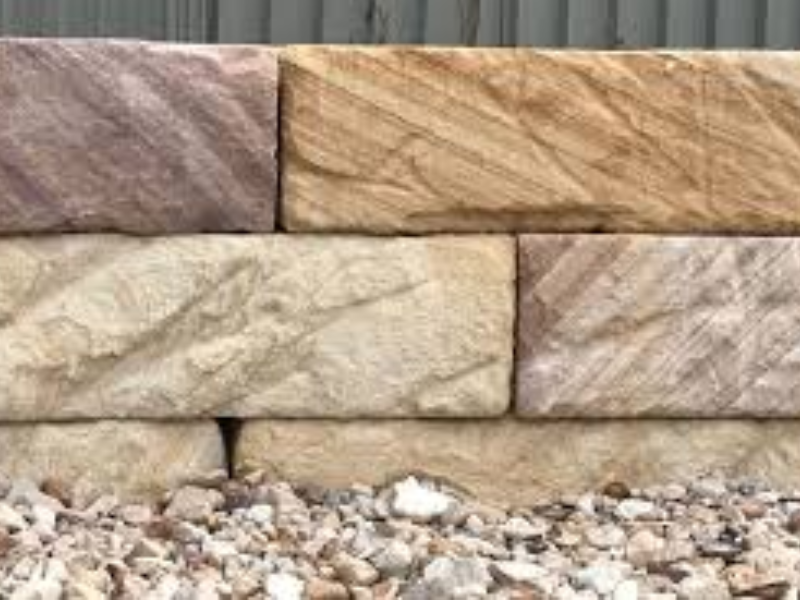
Sandstone, a rock composed of tiny mineral grains, is renowned for its diverse colors. With a smooth texture, it enhances visual appeal. In this guide, we’ll showcase the array of sandstone colors and discuss how prices may differ based on color from various suppliers. Join us in exploring the exquisite use of sandstone colors in architecture and design.
Various Sandstone Colours
Sandstone exhibits a wide array of colours, including:
- Beige: Soft and neutral, beige sandstone adds warmth to designs.
- Yellow: Ranging from pale yellow to vibrant gold, it brings brightness.
- Red: Rich and earthy, red sandstone offers a bold and warm appearance.
- Brown: Versatile brown tones evoke a natural and timeless feel.
- Pink: Soft pink hues lend a delicate and elegant touch.
- Gray: Subdued and sophisticated, gray sandstone complements various styles.
- White: Crisp and clean, white sandstone imparts a fresh and modern look.
- Green: Infused with subtle green tones, it brings a unique and calming vibe.
The diverse colors of sandstone cater to a broad spectrum of design preferences and applications.
How Does Sandstone Get Its Colours?
Sandstone acquires its colors through a combination of mineral composition, impurities, and geological processes. Here’s how sandstone gets its colors:
Mineral Composition: The minerals present in the sandstone, such as quartz, feldspar, and iron oxides, contribute to its color. For example, iron oxide can impart red, brown, or yellow hues.
Impurities: Various impurities, such as clay, organic matter, or minerals with specific colors, can influence the overall coloration of the sandstone. The presence of these impurities adds diversity to the color spectrum.
Oxidation: Exposure to oxygen over time can lead to oxidation, affecting the color of iron minerals within the sandstone. This process often results in the development of red or rust-colored hues.
Weathering: Natural weathering processes, including erosion and exposure to the elements, can alter the appearance of sandstone. This may lead to a patina or weathered look, affecting the original color.
Geological Formation: The geological conditions under which sandstone forms play a crucial role in determining its color. Different environments and sediment sources contribute to the variation in colors observed in sandstone deposits.
Heat and Pressure: The heat and pressure during the formation of sandstone can influence the crystal structure and mineral alignment, impacting the stone’s color.
The combination of these factors results in the rich palette of colors seen in sandstone, making it a visually appealing and diverse natural stone for various architectural and design applications.
Application Of Indian Sandstone Colours
Indian sandstone, known for its vibrant colors, finds versatile applications in various architectural and landscaping projects. Here are some common applications of Indian sandstone colors:
Paving and Pathways:
- Indian sandstone is frequently used for paving walkways, patios, and driveways, offering a durable and visually appealing surface.
Exterior Cladding:
- The rich colors of Indian sandstone make it an excellent choice for exterior cladding on buildings, adding a touch of elegance and character.
Garden and Landscape Design:
- Sandstone in various colors is employed for creating garden borders, retaining walls, and decorative elements, enhancing the aesthetics of outdoor spaces.
Flooring:
- Indoors, Indian sandstone is used for flooring in areas such as living rooms, kitchens, and bathrooms, providing a natural and warm look.
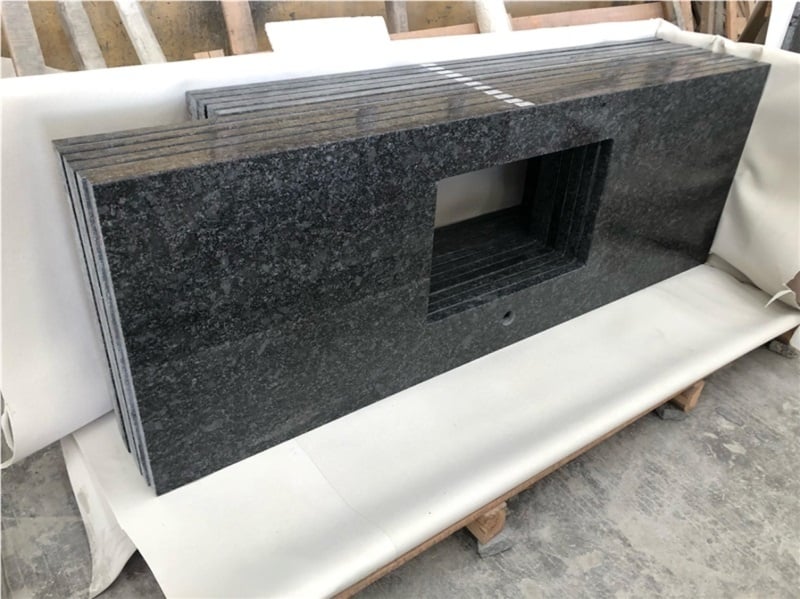
Kitchen and Bathroom Countertops:
- The durability and unique colors of Indian sandstone make it a desirable material for kitchen and bathroom countertops.
Fireplace Surrounds:
- Sandstone’s heat-resistant properties make it suitable for fireplace surrounds, adding a rustic or contemporary touch to living spaces.
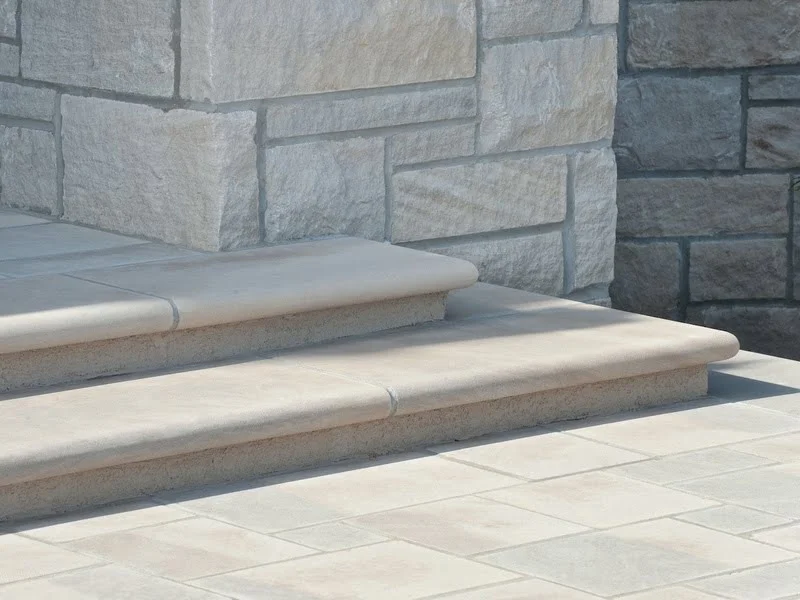
Staircases and Steps:
- Sandstone is often chosen for constructing durable and visually appealing staircases and steps, both indoors and outdoors.
Architectural Carvings and Artifacts:
- Skilled artisans use Indian sandstone to create intricate carvings, sculptures, and artifacts, showcasing the stone’s versatility.
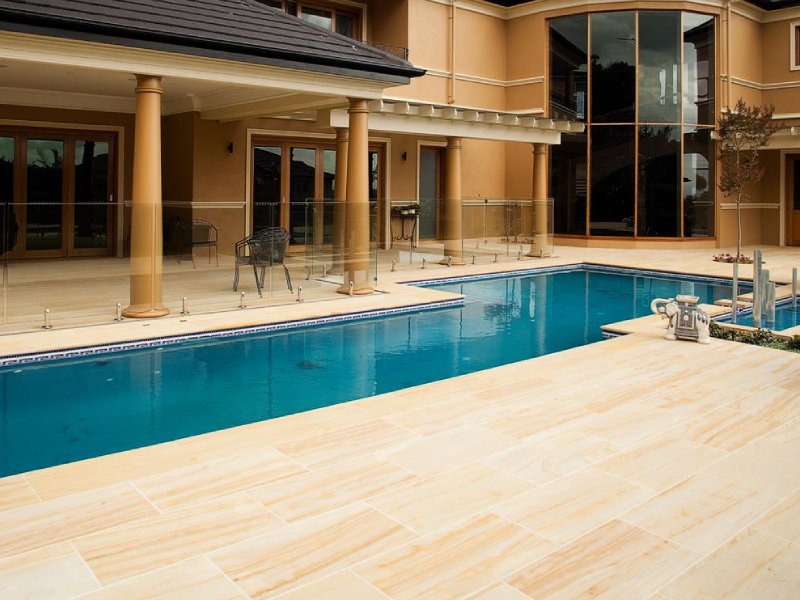
Pool Surrounds:
- The non-slip nature of sandstone makes it a popular choice for pool surrounds, providing a safe and stylish environment.
Feature Walls:
- Sandstone in various colors is used to create feature walls in interiors and exteriors, adding texture and visual interest.
The application of Indian sandstone colours extends across a wide range of projects, from residential homes to commercial spaces, highlighting the stone’s adaptability and aesthetic appeal.
How To Ensure Consistent Colour When Purchasing Sandstone?
Ensuring consistent color in the sandstone you purchase involves careful selection, communication with suppliers, and attention to specific factors. Here are some steps to help you achieve consistent color in your sandstone:
Sample Evaluation:
- Request samples from the supplier before making a bulk purchase. Evaluate these samples under various lighting conditions to observe color consistency.
Natural Variation Acknowledgment:
- Understand that natural stone inherently exhibits variations due to mineral composition and geological factors. Discuss with the supplier about acceptable color variations within the chosen stone type.
Batch Selection:
- If possible, select stone from the same batch or quarry to ensure greater consistency. Stones extracted from different areas may have subtle color differences.
Supplier Communication:
- Clearly communicate your color expectations with the supplier. Provide reference samples or images to convey the specific color tones you desire.
Visit the Quarry or Showroom:
- If feasible, visit the quarry or the supplier’s showroom to inspect the stone in person. This allows you to assess color consistency across a larger selection.
Consistent Finish:
- Choose a consistent finish (e.g., honed, polished, or natural) as the finishing process can impact the stone’s appearance.
Quality Control:
- Inquire about the supplier’s quality control measures. Reputable suppliers often have stringent quality control processes in place to maintain color consistency.
By taking these steps, you can enhance the likelihood of obtaining sandstone with consistent color for your specific project requirements. Remember that communication and collaboration with the supplier play a crucial role in achieving the desired outcome.
What Colour Issues Can Cheaper Sandstone Cause?
Cheaper sandstone may present the following color-related issues:
Inconsistent Coloration:
- Cheaper sandstone may exhibit uneven color distribution, leading to variations within the same batch.
Fading Over Time:
- Lower-quality sandstone may be more prone to fading when exposed to sunlight and weather conditions.
Limited Colour Range:
- Cheaper options may offer a narrower range of colors, limiting design possibilities compared to higher-quality alternatives.
Unnatural Pigments:
- Some inexpensive sandstones may use artificial pigments, resulting in unnatural and less durable coloration.
Susceptibility to Stains:
- Cheaper sandstone may lack adequate sealing or quality control, making it more susceptible to stains and discoloration.
Investing in higher-quality sandstone helps mitigate these issues, ensuring better color consistency and longevity.
Popular Varieties Of Indian Sandstone Colours
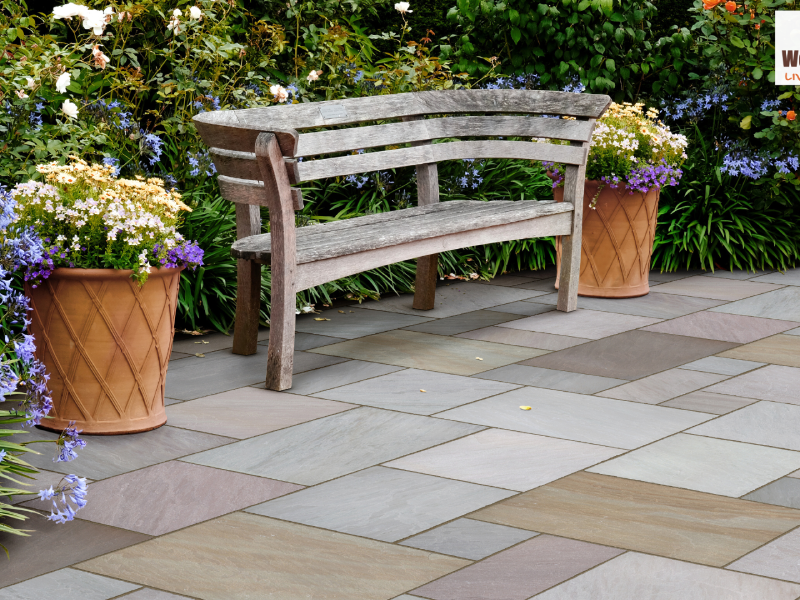
Choosing the right colour of Indian sandstone for your project can feel overwhelming because there are so many options available. Indian sandstone is a popular choice for many different things because it is beautiful and can be used in many ways. People use it for things like patios, walkways, gardens, and pool areas. But there are so many colours to pick from that it can be hard to decide.
Kandla Grey Sandstone
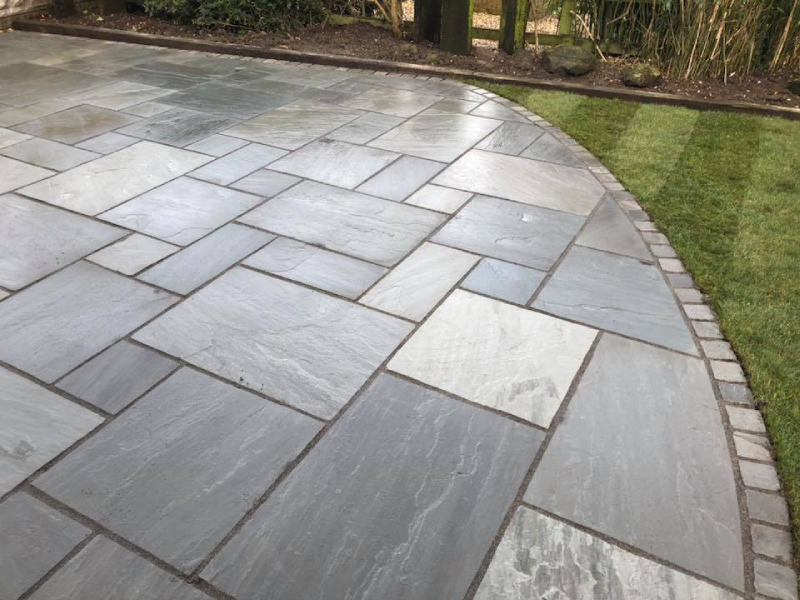
Outdoor paving made of grey Indian sandstone is durable and attractive. Silver-grey sandstone adds elegance to any outdoor space. Kandla Grey sandstone traditionally contains darker streaks and tints. The colours create a charming and unique design for your patio or garden. Grey Indian sandstone is durable and attractive.
ALSO READ | Kandla Grey Sandstone: Comprehensive Guide on Characteristics, Applications, and Benefits
Beige Sandstone
Dholpur Beige, or “Beige Sandstone,” is buff-white sandstone. Its granular structure enriches building interiors and exteriors. Because of its equal layers, regular grain size, and strength, this sandstone has been dug up and used in many old buildings. This sandstone is generally white, but it contains some purple patterns that look great when wet. Dholpur Beige Sandstone matches any house style.
Red Sandstone
Indian sandstone is a beautiful red. It’s pink, purple, and orange when dry. Wetting brightens and naturalises the colours. Red sandstone slabs are ideal for rustic gardens. They may balance summer borders with warm winter gardens.
Rainbow Sandstone
The scarlet veins pop against the polished quartz stone. The glossy surface makes any place look elegant and tranquil. Explore Rainbow Sandstone
Yellow Sandstone:
This golden sandstone features warm, beautiful patterns. Jaisalmer Yellow Sandstone lends a royal look to any project. It makes amazing feature walls, floors, and landscapes. Jaisalmer Yellow Sandstone adds elegance to your environment with its timeless charm. Read More
Conclusion
In the end, choosing sandstone colours is all about your own personal style and preference. You have many colours to choose from. When deciding on the elements that will create the environment you desire, consider your surroundings and personal preferences.
Stone Galleria
We offer more than just materials – we provide a partnership founded on reliability and responsiveness. Stone Galleria recognizes the distinctive requirements of commercial enterprises and is committed to delivering dependable and cost-effective supply chain management.
As a leading manufacturer, supplier, and exporter of Granite, Sandstone, and Quartzite, we tailor our products to your specifications, including dimensions, thickness, and various finishes.
Embark on the journey to enhance your operations by requesting a free quote today. Complete our inquiry form, and we will promptly respond to your needs.
Knowledgeable – Reliable – Responsive