
 Vérifié
Are you wanting to make a home or building project more eco-friendly? You’re not alone! With growing concerns about our planet, many people are turning to sustainable building materials. One standout option is granite. But what makes granite sustainable? Is granite truly eco-friendly? Let’s dive into the world of granite sustainability and explore why this natural stone could be the perfect material for your green building project.
Granite is a rock star in the world of sustainable materials. Unlike many factory-produced products that consume energy and rely on petroleum-based resins, granite comes straight from the Earth. This natural stone doesn’t just look good; it also boasts durability and longevity, meaning fewer replacements and less waste. Plus, granite is 100% recyclable and doesn’t release harmful chemicals into your home, making it a healthier choice for your family and the environment.
So, if you’re considering an eco-friendly renovation or build, keep reading to find out why granite could be your go-to material. Let’s explore how this timeless stone can contribute to a more sustainable and beautiful world!
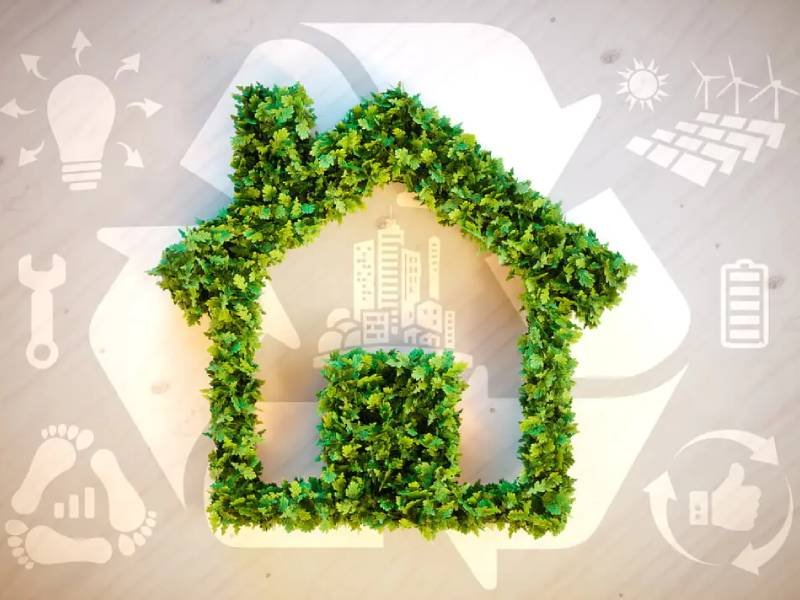
Is granite eco-friendly and sustainable?
When it comes to choosing materials for your home or projects, you might wonder if granite is eco-friendly and or sustainable. To help you understand, let’s first clarify what eco-friendly and sustainability mean. Eco-friendly actions are all about minimizing harm to the environment—think reducing waste and using fewer harmful materials. Sustainability, on the other hand, is a broader concept. It’s about making choices that take care of the planet, people, and resources in a way that ensures future generations can thrive.
When evaluating materials like granite for your project, it’s important to understand the broader context of eco-friendliness and sustainability. Before diving into whether granite fits the bill, let’s take a step back and explore a key concept that will help you make informed choices: What is a green building material?
What is a Green Building Material?
Green building materials, also called eco-friendly or sustainable materials, are used in construction because they are better for the environment. Using these materials helps to lower the negative impact of building and maintaining structures. They are picked because they use fewer resources, save energy, produce less pollution, and keep indoor air clean.
Imagine building a house that not only looks good but also feels good because you know it’s helping the planet. That’s the power of green building materials! They are all about making our homes and buildings kinder to the Earth and healthier for us to live in.
What Is Advantage of Green Building Material?
Green building materials offer a range of advantages that contribute to sustainability, energy efficiency, and overall environmental responsibility. Here are some key advantages:
- Resource Efficiency: Green building materials often come from renewable or rapidly renewable resources, reducing the strain on finite resources. Additionally, materials with recycled content contribute to waste reduction.
- Energy Efficiency: Many green building materials are designed to enhance energy efficiency in buildings. This can include improved insulation, energy-efficient windows, and materials that contribute to better thermal performance.
- Reduced Environmental Impact: Green materials are often manufactured using processes that minimize environmental impact, with a focus on lower emissions, reduced water usage, and fewer pollutants.
- Improved Indoor Air Quality: Green building materials are typically low in volatile organic compounds (VOCs) and other harmful chemicals. This contributes to better indoor air quality, creating healthier living and working environments.
- Durability and Longevity: Green materials are often chosen for their durability and longevity. This reduces the need for frequent replacements and repairs, lowering the overall environmental impact over the life of a building.
How Is Granite a Green Building Material?
Granite is considered a green building material for several reasons:
Natural and Abundant: Granite is a natural stone, widely available and abundant. Its extraction and processing have less environmental impact compared to synthetic materials.
Durability: Granite is extremely durable and long-lasting. It doesn’t need to be replaced often, reducing the need for new materials and lowering waste over time.
Low Maintenance: Granite requires minimal maintenance. It doesn’t need harsh chemicals for cleaning, which helps in keeping harmful substances out of the environment.
Energy Efficiency: Granite has good thermal mass, which means it can absorb, store, and slowly release heat. This can help in maintaining indoor temperatures, potentially reducing the need for heating and cooling.
Recyclable: Granite can be recycled and repurposed. If a granite structure or countertop is no longer needed, the stone can be used for other projects, minimizing waste.
No Off-Gassing: Unlike some synthetic materials, granite does not emit harmful gases or volatile organic compounds (VOCs), contributing to better indoor air quality.
READ | Uses of Granite Stone: Discover Endless Possibilities
Granite Sustainability: Addressing Environmental Issues in Green Building
Granite, while a natural stone and a durable material, does pose challenges related to sustainability, particularly when considering the finite nature of the resources involved in its production.
.webp)
Managing Resources:
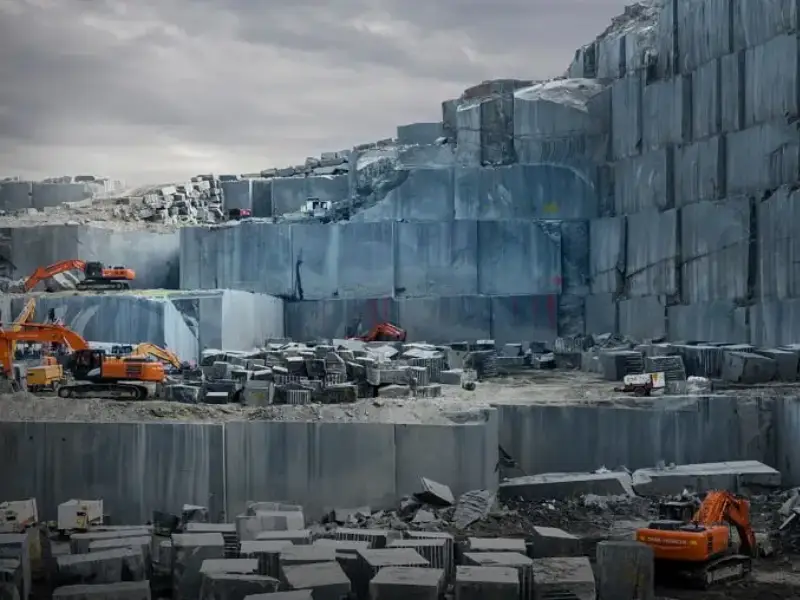
Granite is a natural resource, and its extraction involves removing it from quarries. Some types of granite are finite resources, meaning they are not inexhaustible. Over-extraction can lead to habitat disruption, landscape alteration, and depletion of specific granite deposits.
Strategic measures and government policies have successfully balanced granite extraction, addressing its finite nature. Sourced from quarries, specific types of granite, once deemed nonrenewable, are now sustainably managed. Over-extraction concerns, including habitat disruption and landscape alteration, have been mitigated through responsible quarrying practices. Selective extraction methods, resource management plans, and rehabilitation initiatives have preserved specific granite deposits.
Reducing Energy Use:
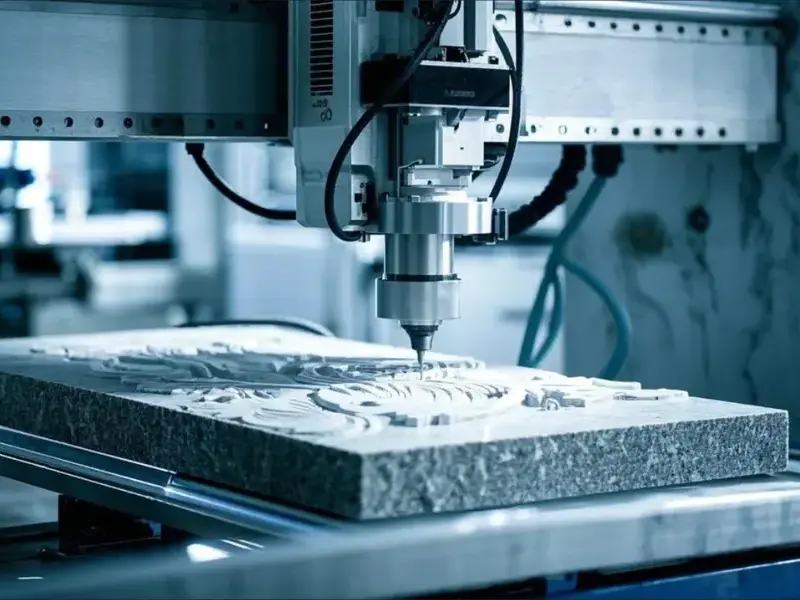
Addressing the energy consumption concern in granite production involves implementing sustainable practices. Modern technological extraction methods, renewable energy sources, and technological advancements in processing contribute to reducing the overall energy footprint.
Comparatively, alternatives like vitrified tiles and quartz often involve energy-intensive manufacturing processes. Vitrified tiles require high-temperature firing, consuming significant energy, while the production of quartz involves intense processing and resin bonding. Granite’s lower energy consumption, especially with sustainable practices, positions it as a more environmentally friendly choice when considering the entire production cycle. Sustainable sourcing and processing practices in the granite industry underscore its potential to be a relatively energy-efficient option compared to certain alternatives.
Minimizing Waste:
While granite itself is not recyclable, efforts can be made to salvage and reuse granite from demolished structures. This extends its lifecycle and reduces the demand for new extraction. Additionally, crushed granite can be used as an aggregate in construction, reducing waste.
Conclusion
Choosing the right materials for your home or building project can make a big difference in protecting our planet. Granite is a fantastic option for those looking to go green. It’s a natural, durable, and low-maintenance stone that doesn’t just look beautiful but also stands the test of time. Because it’s recyclable and doesn’t release harmful chemicals, granite helps keep our environment clean and safe.
By using granite, you’re not only making a smart investment for your property but also doing your part to create a healthier, more sustainable world. So, if you want your next project to be eco-friendly and stunning, granite might just be the perfect choice for you. Remember, building green is about making choices that feel good and do good for both you and the Earth!
Stone Galleria and Sustainability
At Stone Galleria, we’re committed to making a positive impact on the environment while providing top-quality granite. We incorporate sustainability into every step of our process. For example, we recycle water used in granite processing, which helps conserve this precious resource. We also harness solar energy to power our operations, reducing our carbon footprint and supporting cleaner energy practices.
Did you know that the waste produced from granite processing, known as granite slurry, plays a key role in other industries? This slurry is a major component in the production of various building materials, including tiles. By reusing this waste, we contribute to a circular economy, minimizing waste and giving back to the Earth in meaningful ways.