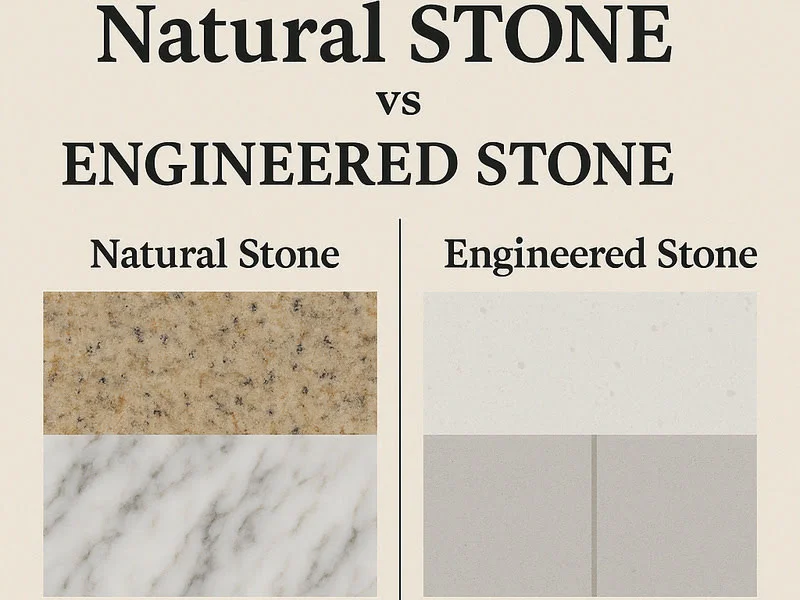

Comparative Analysis of Granite vs. Quartzite vs. Quartz: Why and What to Choose

Mohit Poddar
Auteur Équipe Stone Galleria
info Contenu rédigé et vérifié par l'équipe Stone Galleria — combinant une expertise pratique de l'industrie de la pierre avec des informations basées sur la recherche.
Revu Par Mohit Poddar Responsable du Développement Commercial — Stone Galleria Inde
info Vérifié par l'expert Mohit Poddar — avec une expérience pratique dans l'approvisionnement, le traitement et la consultation client de pierres naturelles.
Publié : mars 09, 2025 — 18:00 IST Mis à jour : février 24, 2026 — 19:57 IST Temps de Lecture : 4 lecture min 174 Nombre de vues Vérifié Vérifié
Pourquoi cet article est marqué comme vérifié

Chaque article/blog de Stone Galleria passe par un processus de vérification avant de recevoir une étiquette vérifiée. Les détails techniques — y compris la variation de couleur, la densité, les finitions, le comportement de production et l'origine de la carrière — sont vérifiés à l'aide des journaux d'usine, des inspections de dalles, de la documentation des fournisseurs et de l'expérience réelle sur site. Les articles sont examinés par des experts du domaine et mis à jour chaque fois que de nouvelles informations ou des corrections sont disponibles.

À retenir by Stone Galleria AI

The article discusses the differences between three popular countertop materials: granite, quartzite, and quartz. It outlines their unique characteristics, durability, maintenance needs, and aesthetic qualities to help consumers make informed choices for their building projects.

  • Granite is a natural stone known for its durability and unique patterns but requires periodic sealing.
  • Quartzite combines the elegance of marble with high durability and lower maintenance needs than granite.
  • Quartz is an engineered stone that is non-porous and low maintenance but less heat-resistant than natural stones.

Understanding the differences between these materials is essential for making informed decisions in home design and renovation.

Imagine this: you’re designing your building, and you want every detail to be perfect. The material you choose will not only define the space but also endure the daily hustle and bustle of your life. It’s easy to feel overwhelmed when faced with options like granite vs. quartzite vs. quartz, each promising durability and style in unique ways. The primary confusion lies in differentiating between these materials, compounded by the hundreds of choices within each category. Before diving into the specifics, it’s crucial to establish clarity on your specific needs and preferences. This foundation will guide us in selecting the ideal countertop that not only enhances your kitchen but also aligns seamlessly with your lifestyle.

Here, we’ll delve into the world of countertop materials, focusing on three popular choices: granite, quartzite, and quartz. We’ll explore the unique characteristics and benefits of each material, helping you make a confident decision for your kitchen or any other space of your building.

Let’s start with granite, a natural stone renowned for its durability and unique patterns. Next, we’ll explore quartzite, which combines the elegance of marble with exceptional durability. Finally, we’ll dive into quartz, an engineered stone offering versatility and low maintenance. By the end, you’ll have a clear understanding of how these materials differ and which one might best suit your lifestyle and aesthetic preferences.

Also READ | Granite vs. Quartzite: Comparing Two Titans of the Natural Stone World
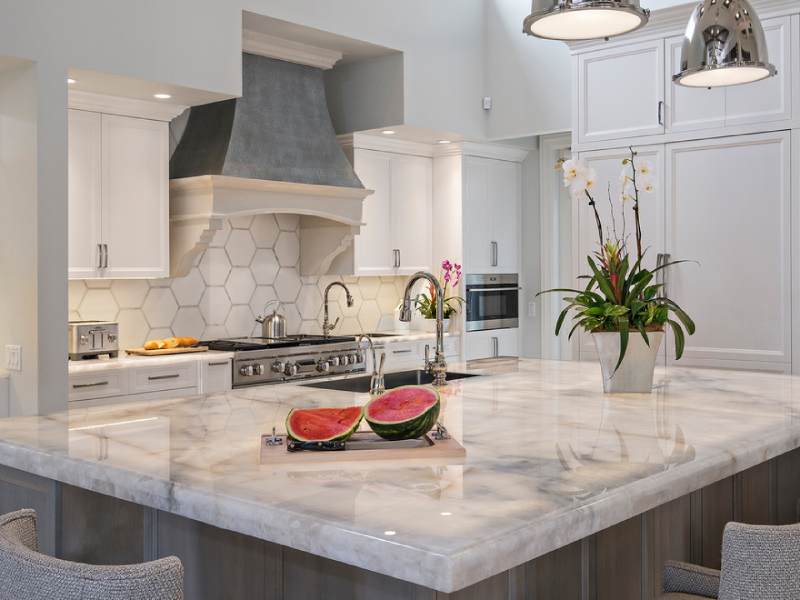
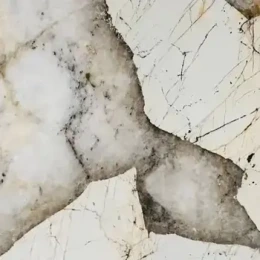
Translucent Quartzite Countertop

Side By Side Comparision of Granite Vs. Quartzite Vs. Quartz

ParameterGraniteQuartziteQuartz
FormationNatural stoneNatural stoneEngineered stone
AestheticsNatural variations in color/patternsNatural variations, marble-likeWide range of colors/patterns
Common ApplicationsCountertops, Flooring, ExteriorCountertops, Fireplaces, ExteriorCountertops, Backsplashes, Vanities
DurabilityHighVery HighHigh
MaintenanceRequires periodic sealingRequires sealing, low maintenanceLow maintenance, no sealing
PorosityMediumLow to MediumNon-porous
Heat ResistanceHighVery HighLow
Scratch ResistanceHighVery HighHigh
Stain ResistanceRequires sealing to be stain-resistantLow porosity, better stain resistanceVery stain-resistant due to non-porosity
Mohs Hardness6-77-87-8
Environmental ImpactNatural stone, quarrying impactNatural stone, quarrying impactEngineered, some environmental concerns
ProsUnique patterns, durable, heat-resistantResembles marble, very durable, highly heat-resistantNon-porous, low maintenance, consistent patterns
ConsRequires sealing, can be relatively porousRequires sealing, limited availability and ExpensiveLess heat-resistant, can be expensive
NotesResistant to heat, scratches, and stainsExtremely heat-resistant and durableEngineered stone, more uniform appearance
Cost/PriceModerate to highHighModerate to high
granite fireplace surrounds

Choosing the right material involves weighing various factors such as durability, maintenance, aesthetics, and cost. Granite, a natural stone known for its diverse color palette and patterns, offers high durability against heat, scratches, and stains, though it requires periodic sealing. Quartzite, another natural stone, combines the elegant appearance of marble with exceptional durability and lower maintenance needs compared to granite. In contrast, quartz stands out as an engineered stone with a non-porous surface that resists stains and requires minimal maintenance, although it may not match the heat resistance of natural stones. Each material presents unique advantages suited to different preferences and practical considerations in home design and renovation projects.

ALSO READ | Granite Vs. Marble: Similarities and Differences between Granite and Marble

Granite:

Strengths:

  • Natural variations in color and pattern provide unique aesthetics.
  • High durability against heat, scratches, and stains.
  • Suitable for a wide range of applications including countertops, flooring, and exterior uses.

Weaknesses:

  • Requires periodic sealing to maintain stain resistance.
  • Can be relatively porous, which may require more maintenance compared to non-porous materials like quartz.

Quartzite:

Strengths:

  • Resembles marble with elegant, marble-like patterns.
  • Very high durability, with excellent resistance to heat, scratches, and stains.
  • Low to medium porosity, offering better stain resistance than granite.

Weaknesses:

  • Requires sealing, although less frequently than granite.
  • Limited availability and can be more expensive due to its natural beauty and durability.

READ | Quartzite Heat Resistance: A Comprehensive Guide

Quartz:

Strengths:

  • Engineered stone with a wide range of colors and patterns, including options that mimic natural stones like marble and granite.
  • Non-porous surface that is highly resistant to stains and requires no sealing.
  • Low maintenance with consistent patterns and colors throughout.

Weaknesses:

  • Less heat-resistant compared to natural stones like granite and quartzite.
  • Can be more expensive than granite and requires careful handling during installation due to its engineered composition.

ALSO READ | The Reason for Material Selection: Engineered Stone Vs Natural Stone

You might also find it interesting to explore an article discussing the heat resistance properties of these stone.

Quartz vs. Granite – Heat Resistance Comparison

Quartz vs. Granite – Heat Resistance Comparison

The Heat Resistance of Granite: Essential Facts

Granite vs. Other Materials: A Comprehensive Comparison of Hardness, Porosity, Stain Resistance, and Wear & Tear

Everything You Need to Know About Quartzite Slab – A Comprehensive Guide

Explore the diverse range of Indian granite and quartzite offered by Stone Galleria LLP today and discover timeless beauty for your next project.
Questions Fréquemment Posées

Granite: Granite is a natural stone known for its durability and unique patterns. It requires periodic sealing to maintain stain resistance and is highly resistant to heat and scratches. Quartzite: Quartzite is a natural stone that resembles marble but offers greater durability. It has low to medium porosity, making it less prone to staining compared to granite. It requires sealing, though less frequently than granite. Quartz: Quartz is an engineered stone made from crushed quartz minerals and resin. It offers a wide range of colors and patterns, including options that mimic natural stone. Quartz is non-porous, requiring no sealing, and is highly resistant to stains and scratches.


Granite and quartzite are highly durable natural stone options, renowned for their hardness and resistance to scratches, heat, and stains with proper care. While engineered quartz is durable, granite and quartzite typically offer superior longevity and resilience due to their natural composition and strength.


Granite: Yes, granite countertops require periodic sealing to maintain their stain resistance. Quartzite: Yes, quartzite countertops also require sealing, though less frequently than granite due to their lower porosity. Quartz: No, quartz countertops are non-porous and do not require sealing.


Granite: Granite offers natural variations in color, pattern, and veining, making each slab unique. Quartzite: Quartzite resembles marble with elegant veining and comes in shades of white, gray, and cream, often with hints of pink or red. Quartz: Quartz comes in a wide range of colors and patterns, including options that mimic natural stones like granite and marble. It has a more uniform appearance compared to natural stones.


Granite: Granite countertops typically range from moderate to high in cost, depending on the rarity of the stone and installation factors. Quartzite: Quartzite countertops are generally on the higher end of the cost spectrum due to their durability and aesthetic qualities. Quartz: Quartz countertops range from moderate to high in cost, with factors like brand, color, and complexity of design influencing pricing.


Granite: Granite is known for its durability and can withstand heat, scratches, and stains when properly maintained with sealing. Quartzite: Quartzite offers excellent durability and resistance to heat, scratches, and stains, comparable to granite. Quartz: Quartz is highly durable and resistant to scratches, stains but its not as heat resistant to its counterparts. It requires minimal maintenance.


Reviewer: Mohit Poddar

À propos de l'évaluateur — Mohit Poddar

Responsable du développement commercial · Stone Galleria India

Have Insights to Contribute?

Are you an architect, interior designer, builder, or natural stone professional? If you have insights, corrections, or real-world experience that could enhance this article, we'd love to hear from you.

We occasionally feature expert perspectives and review submissions carefully, publishing only those that align with our focus on natural stone and design.

Write to Us
Trust Icon Pourquoi vous pouvez faire confiance à nos informations sur la pierre et nos perspectives de l'industrie
Chez Stone Galleria, nous ne faisons pas que parler de pierre naturelle — nous travaillons avec elle tous les jours. Nous nous approvisionnons en blocs bruts auprès d'opérateurs de carrières de confiance, les traitons en interne et travaillons en étroite collaboration avec des entrepreneurs, des revendeurs, des fabricants et des acheteurs — tant en Inde qu'à l'international.

En tant que fabricants, nous voyons ce qui se passe réellement — de la sélection des blocs bruts à la finition des dalles — y compris les défis, les compromis et les questions courantes qui se posent lors de projets réels. Ce que nous partageons ici est basé sur la production en temps réel, les conversations de l'industrie et nos opérations quotidiennes en usine — pas seulement sur la recherche en ligne.

C'est pourquoi les informations que vous trouverez ici sont pratiques, basées sur l'expérience et façonnées par les réalités du travail avec la pierre — chaque jour.

Explore the Right Stone for Your Project – Granite, Quartzite, or Quartz

Still comparing materials? Discover the practical differences between natural stones like granite and quartzite versus engineered quartz, and choose based on real-world usage.

Compare Natural & Engineered Stones

Need Help Deciding Between Quartz, Quartzite, and Granite?

If you're unsure which stone suits your application or design goals, our team is here to guide you with clarity, not confusion. Let’s find what works best for your needs.

Get Stone Selection Advice

Derniers blogs de Stone Galleria

Blogs les plus populaires

Préférences en matière de cookies

Strictement nécessaire (toujours actif)

Cookies d'analyse

Cookies de marketing