
 Verificado
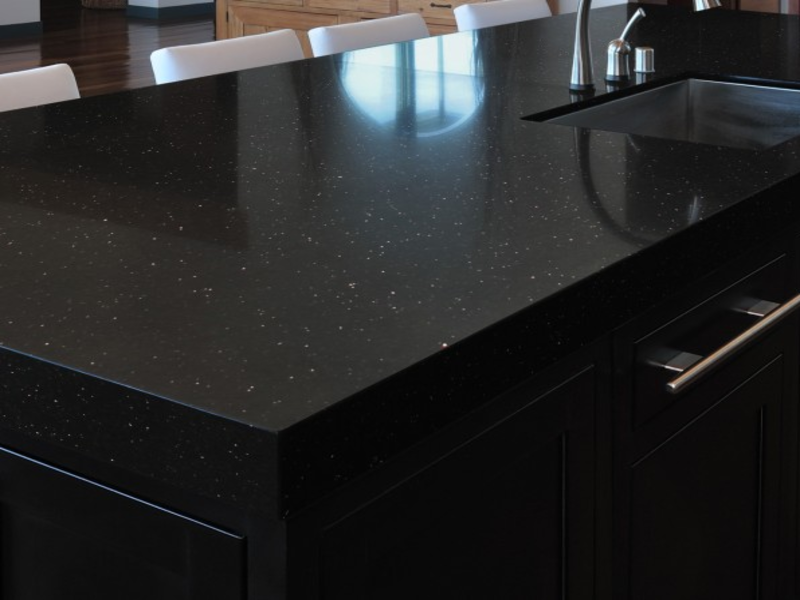
En los últimos años, el granito ha aumentado en popularidad como la mejor opción para varias áreas del hogar, incluyendo encimeras de cocina, suelos y escalones. Reconocido por su belleza natural, el granito también cuenta con una durabilidad excepcional, resistiendo el calor, la humedad, las manchas y el desgaste diario con una notable resiliencia.
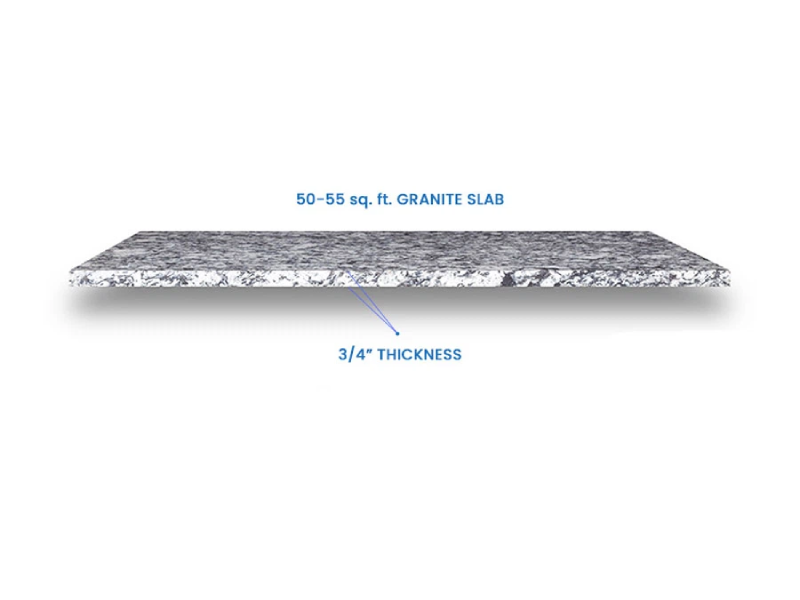
Sin embargo, en medio de sus numerosas ventajas, es crucial reconocer una característica notable: su peso. El granito se encuentra entre las piedras más pesadas utilizadas en la construcción, y este factor merece consideración. A diferencia de materiales naturales como la madera, las losas de granito no contienen bolsas de aire, lo que resulta en una mayor densidad y peso.
En esta publicación, profundizaremos en todo lo que necesitas saber sobre el peso de las losas de granito, explorando su importancia en el transporte, la instalación y la planificación general del proyecto. Comprender el peso del granito es esencial para asegurar resultados exitosos en tus esfuerzos de construcción o remodelación.
¿Por qué es importante conocer el peso de las losas de granito?
Conocer el peso de las losas de granito es importante por varias razones:
Transporte: Las losas de granito son pesadas, y conocer su peso ayuda en la planificación de la logística de transporte. Ya sea que estés moviendo las losas de la cantera a tu sitio o del proveedor a tu hogar o sitio de proyecto, entender el peso asegura que tengas el equipo y los vehículos apropiados para manejar la carga de manera segura.
LEER | ¿Cuántas losas de granito o pies cuadrados puede contener un contenedor de envío?
Manejo e Instalación: Las losas de granito deben ser manipuladas con cuidado durante la instalación para prevenir daños y asegurar la seguridad. Conocer el peso ayuda a los instaladores a prepararse para levantar y maniobrar las losas de manera segura. También asegura que se utilice el equipo de elevación adecuado, como grúas o polipastos, cuando sea necesario.
Consideraciones Estructurales: Si estás instalando losas de granito como encimeras, revestimiento de paredes o suelos, el peso de las losas puede afectar la integridad estructural del edificio o superficie. Entender el peso permite a los constructores e ingenieros evaluar si la estructura puede soportar la carga adecuadamente.
Estimación de Costos: Los costos de transporte y manejo a menudo se basan en el peso. Conocer el peso de las losas de granito ayuda a estimar con precisión los costos generales del proyecto. También permite una mejor planificación y presupuestación de costos.
LEER | ¿Cuántas losas de granito o pies cuadrados puede contener un contenedor de envío?
Seguridad: Manipular materiales pesados como las losas de granito puede presentar riesgos de seguridad si no se hace correctamente. Conocer el peso ayuda a implementar medidas de seguridad adecuadas para prevenir accidentes y lesiones entre los trabajadores y transeúntes.
¿Qué factores determinan el peso de las losas de granito?
Varios factores influyen en el peso de las losas de granito, incluyendo:
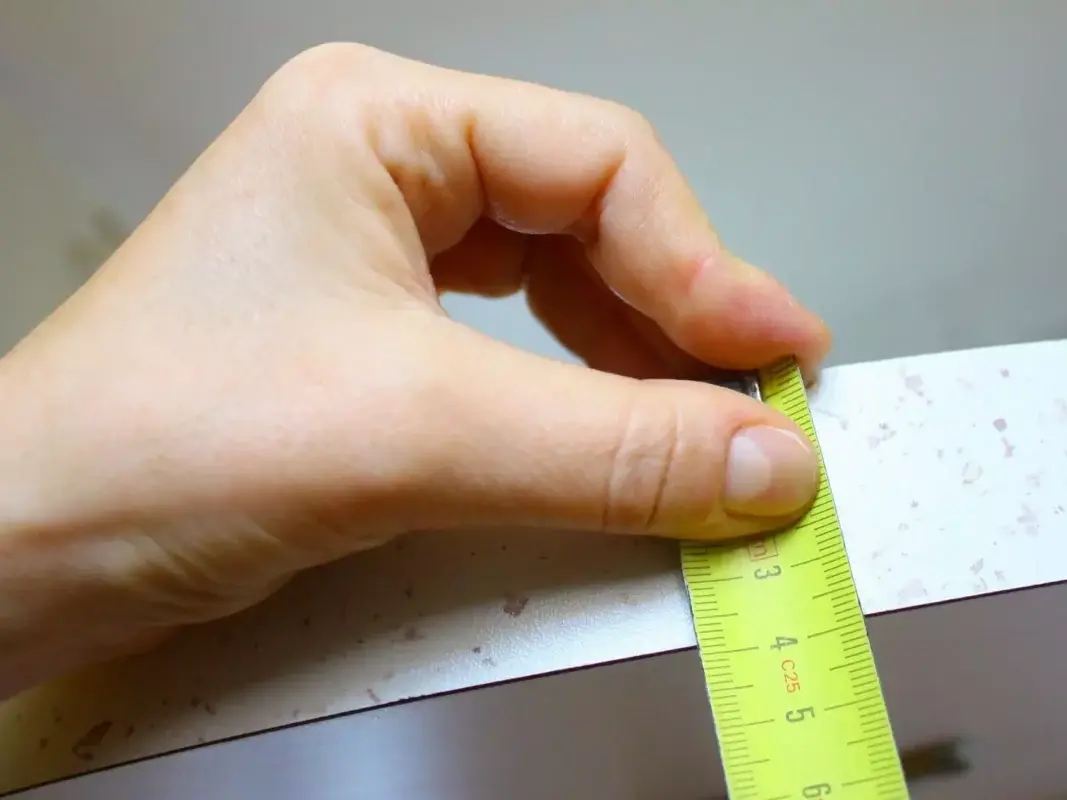
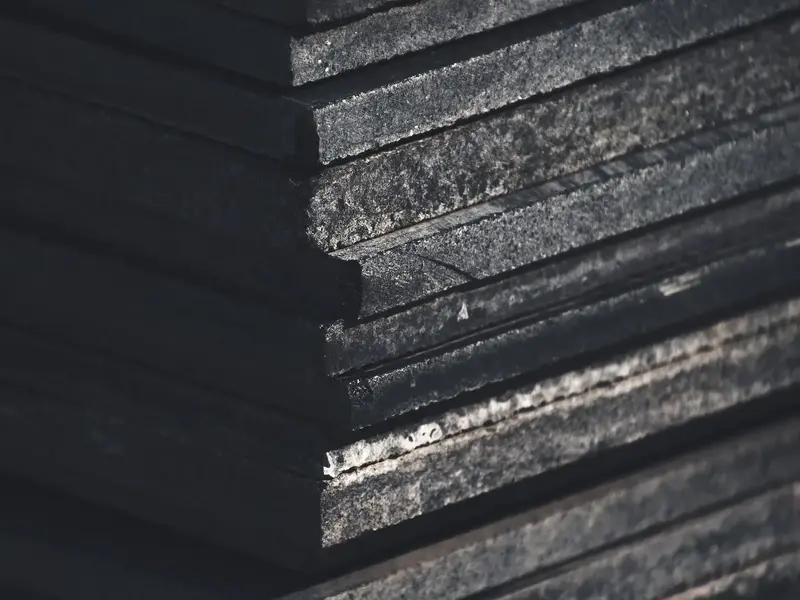
Grosor: Las losas de granito más gruesas naturalmente pesan más que las más delgadas. Las losas están disponibles en varios grosores, como 2 centímetros (cm), 3 cm o incluso opciones más gruesas. El grosor que elijas impactará directamente en el peso de la losa.
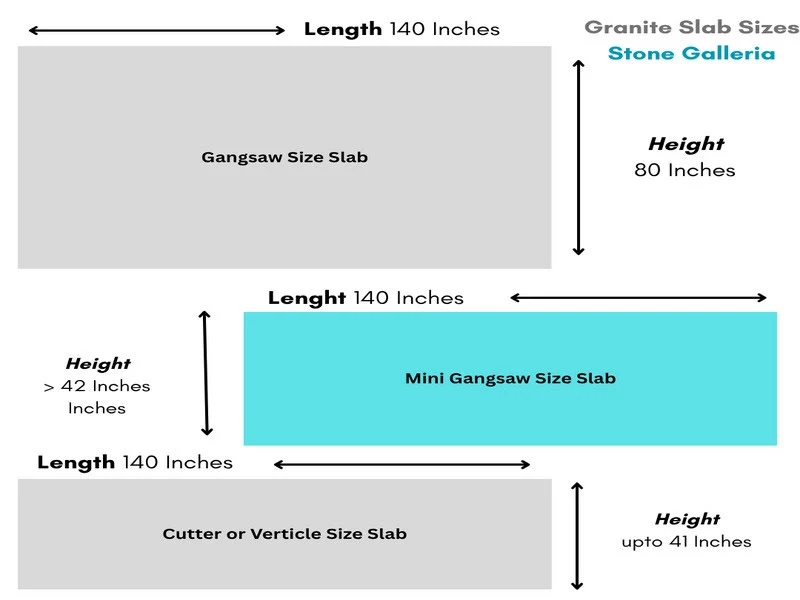
Tamaño: Las losas de granito más grandes pesan más que las más pequeñas debido al aumento del área superficial. Los tamaños estándar de las losas pueden variar, pero las dimensiones comunes incluyen 120 pulgadas por 60 pulgadas o más grandes.
Densidad del Granito: La densidad de la variedad específica de granito afecta su peso. Algunos tipos de granito son más densos que otros, lo que resulta en losas más pesadas. La densidad del granito típicamente varía de 2.63 a 2.75 gramos por centímetro cúbico (g/cm³).
Contenido de Agua: El contenido de agua dentro de la losa de granito también puede impactar su peso. Algunas losas pueden tener un mayor contenido de agua debido a factores como la porosidad, lo que puede aumentar su peso.
Composición Mineral: La composición mineral del granito puede influir en su peso. Las variaciones en el contenido mineral, como la presencia de cuarzo, feldespato y mica, pueden afectar la densidad y el peso general de la losa.
Acabado: Diferentes tipos de acabado de granito, como acabados pulidos, cepillados o flameados, pueden alterar ligeramente el peso de la losa de granito. Sin embargo, el efecto del acabado en el peso es típicamente mínimo en comparación con otros factores.
Transporte: Aunque no está directamente relacionado con el peso intrínseco de la losa de granito, las consideraciones de transporte, como los materiales de embalaje y el equipo de manipulación, pueden afectar el peso total que se transporta.
LEER | ¿Cuántas losas de granito o pies cuadrados puede contener un contenedor de envío?
Al considerar estos factores, contratistas, constructores y propietarios pueden anticipar y gestionar mejor el peso de las losas de granito para transporte, manipulación e instalación.
¿Cómo determinan los proveedores de granito el peso de las losas de granito?
Los proveedores de granito generalmente determinan el peso de las losas de granito evaluando primero la densidad del granito a través de pruebas de laboratorio. Esto implica analizar muestras de granito para determinar su densidad, que es una medida de su masa por unidad de volumen. Una vez que se conoce la densidad, los proveedores pueden calcular el peso de una losa particular en función de sus dimensiones. Al combinar los datos de densidad con las dimensiones de la losa, los proveedores pueden determinar el peso exacto de la losa de granito con un alto nivel de precisión. Esto asegura que los clientes reciban información precisa sobre el peso de las losas de granito que están comprando.
.webp)
Midiendo Granito Para Conocer Pies Cuadrados
LEE | Medidas de Losa de Granito: Cómo Medirlo Tú Mismo
Peso de la Losa de Granito por Pie Cuadrado
Determinar el peso preciso de una losa de granito para encimeras de cocina, escaleras o pisos puede ser un desafío debido a las variaciones en el diseño y los requisitos de espacio. En cambio, el granito se mide típicamente en pies cuadrados, que es una unidad de medida aceptada globalmente. El grosor de la losa de granito es un factor crítico a considerar, ya que las losas más gruesas son más densas y, en consecuencia, pesan más sin aumentar el área en pies cuadrados.
La mayoría de las losas de granito suelen tener un grosor de 2 centímetros (cm) o 3 centímetros (cm). Si bien hay losas de granito más gruesas disponibles, son menos comunes y tienden a ser más caras.
Lee | Precio del Granito por Pie Cuadrado – Entendiendo Factores
Una encimera de granito típica suele tener un grosor de 2 centímetros (cm), lo que equivale a un peso de aproximadamente 5.9 kilogramos por pie cuadrado (kg/sqft). Sin embargo, si el grosor se incrementa a 3 centímetros (cm), el peso por metro cuadrado puede aumentar a alrededor de 8.9 a 9.8 kilogramos (kg/sqft). En algunos casos, los compradores pueden optar por una losa de granito de 5 centímetros (cm) de grosor, que puede pesar hasta 14.5 kilogramos por pie cuadrado (kg/sqft).
Para estimar con precisión el peso de tu granito para tu proyecto, es esencial utilizar un calculador de peso de granito. Estos calculadores consideran factores como el grosor, el tamaño y la densidad para proporcionar estimaciones de peso precisas.
Sin embargo, este peso puede variar dependiendo de las características específicas de la losa de granito. Es mejor consultar con tu proveedor o fabricante para conocer el peso exacto de la losa de granito que estás considerando.