
 Verificado
In the filed of home improvement, architecture or interior designing, accurately measuring granite slabs is a fundamental skill. Whether you’re planning a kitchen renovation or considering granite for other projects, understanding the DIY process for measuring slabs is crucial. This guide provides practical tips to empower you with the knowledge needed to confidently undertake granite slab measurements on your own. Achieving precision in measurements is the crucial for a successful granite installation, and we’ll walk you through the steps in a clear and accessible manner.
Tools for Granite Slab Measurements
To measure granite, you need the correct tools. There are many tools that can help you measure things accurately:
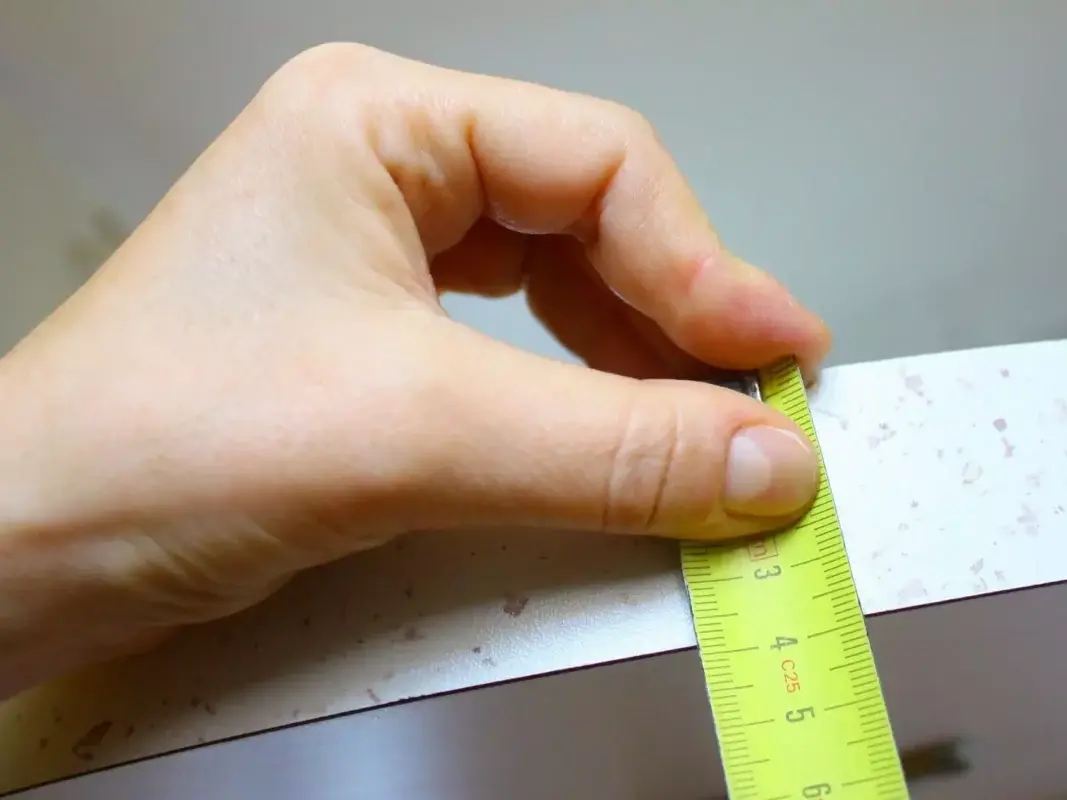
- A measuring tape is a tool that is commonly used to measure lengths in a straight line.
- Laser measuring tools are great for getting precise measurements in big areas.
- Digital callipers are very useful for measuring thickness and other small details.
- Using pre-made templates can make it simpler to measure complex design.
- Pencil or Marker: Having a reliable marking tool is essential for indicating measurement points on the slab and any templates you create. Choose a pencil or marker that contrasts well with the color of the granite.
- Calculator: For simple to complex projects or when dealing with multiple measurements, a calculator can help ensure accurate calculations and reduce the risk of errors.
The difficulty of your job can determine which tool is more effective. Using a combination of these tools can help you confirm your readings and make your results more accurate.
Remember to take your time and double-check measurements to ensure accuracy before cutting or installing the granite slab. Having the right tools at your disposal will contribute significantly to the success of your DIY granite project.
Why Granite Measurement is Important?
Granite measurement holds paramount importance in the context of various construction and design projects. Here’s why precise measurement of granite is crucial:
- Accurate Fit
- Minimise Wastage
- Cost Efficiency
- Aesthetics and Design Integrity
- Ease of Installation
- Avoids Project Delays
- Professional Appearance
In essence, precision in granite measurement is the foundation of a successful project. It not only ensures a visually appealing result but also contributes to efficiency, cost-effectiveness, and the overall success of the construction or design endeavor.
How to Measure Granite for Countertops?
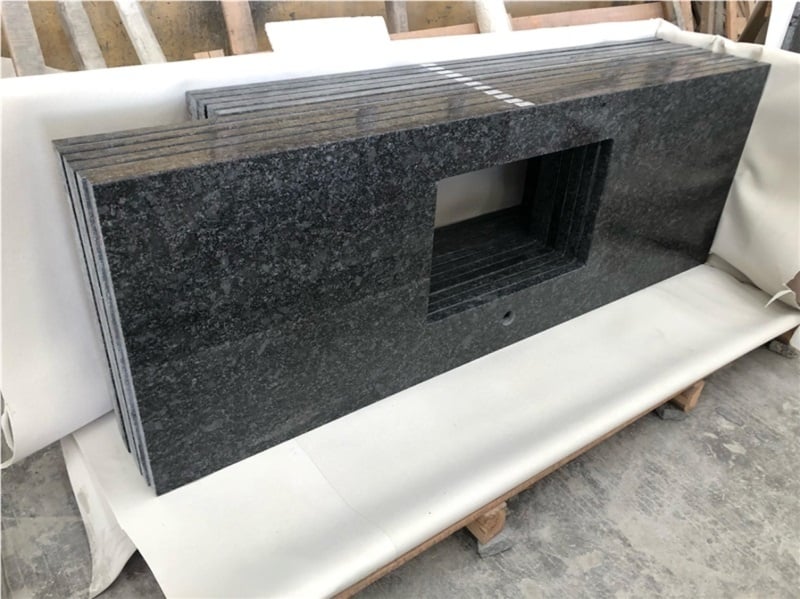
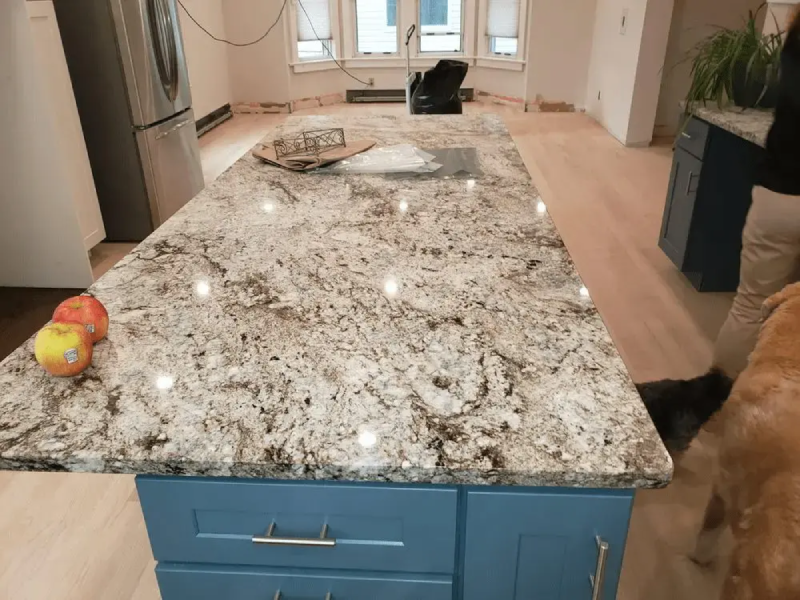
Granite countertops are a focal point in kitchens and bathrooms. To measure them accurately, follow these steps:
- Plan Your Layout: Identify the countertop’s boundaries and mark them clearly.
- Length and Width: Measure the length and width of the countertop using a measuring tape. Account for any overhangs, backsplashes, or cutouts for sinks and appliances.
- Diagonals: Measure the diagonals to ensure the countertop is square and symmetrical.
- Double-check: Verify all measurements to avoid errors.
For kitchen projects, try our
Granite Countertop Calculatorto measure the exact granite slab requirements.
Granite Slab Measurement For Flooring
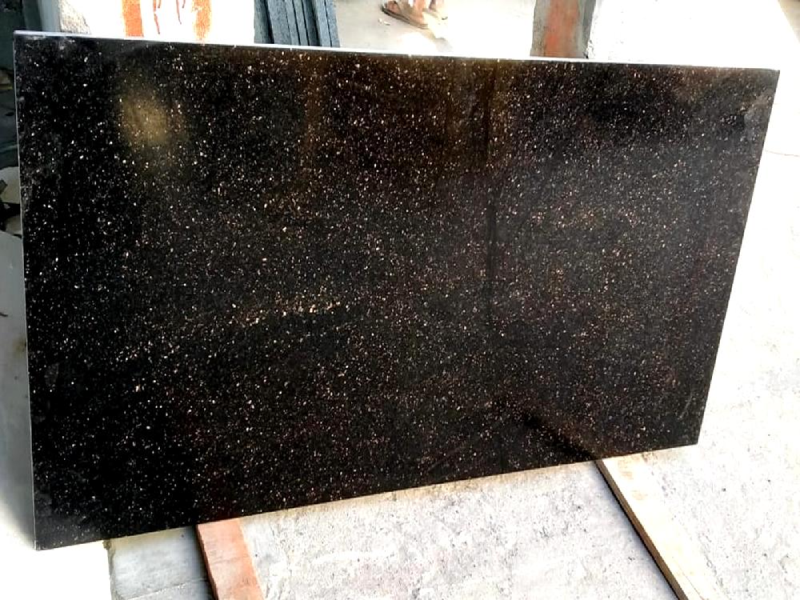
Granite flooring can elevate the elegance of any room. To measure it properly, consider the following:
- Divide the Area: Divide the floor into sections with regular shapes (e.g., rectangles).
- Length and Width: Measure each section’s length and width, including any irregular edges.
- Account for Odd Shapes: For areas with complex layouts, create paper templates to ensure accurate measurements.
- Add a Little Extra: Allow for a small percentage of extra granite to accommodate potential mistakes during installation.
Accurately estimate the amount of granite required for your flooring with our
Granite Flooring Quantity Calculator
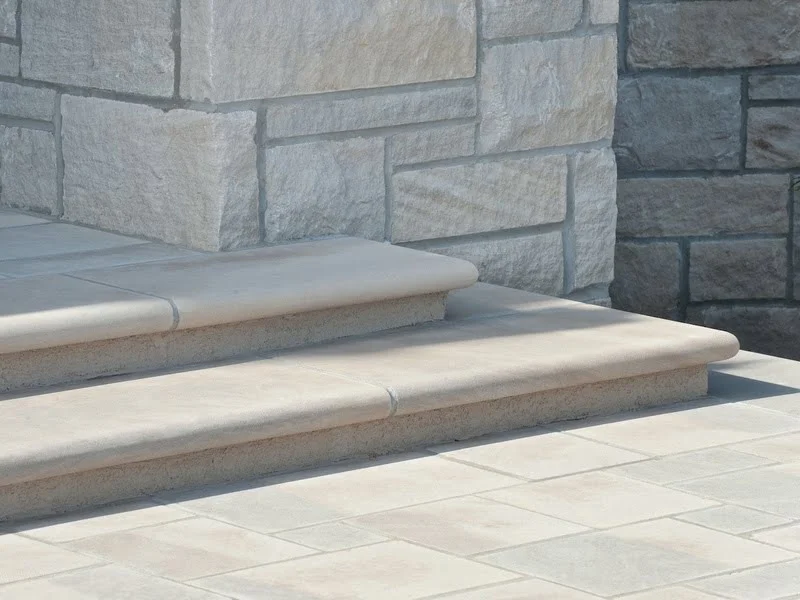
Measuring Granite Steps:
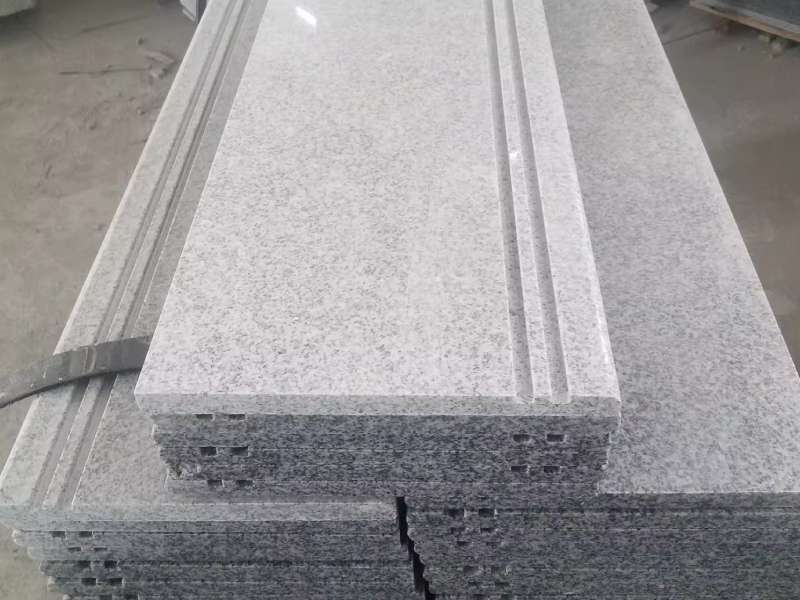
- Count the Number of Steps:
- Determine the total number of steps you need to cover with granite.
- Measure the Width and Depth:
- Measure the width and depth of each step.
- The width is the horizontal distance from one side of the step to the other.
- The depth is the distance from the front edge to the back edge of the step.
- Measure the Riser Height:
- Measure the height of the vertical riser between each step.
- The riser height is the distance from the top of one step to the bottom of the step above it.
- Calculate the Total Granite Needed:
- Multiply the width by the depth of each step to get the area of one step.
- Multiply the area of one step by the total number of steps to determine the total square footage of granite needed for the entire staircase.
- If you’re applying the granite on the risers as well, calculate the additional square footage.
Once you have the dimensions of your staircase, use our
Stair Case Stone Quantity Calculatorto determine the quantity needed for your project.
Granite Slab Measurements for Window Sills
- Count the Number of Window Sills:
- Determine the number of window sills you need to cover with granite.
- Measure the Length and Depth:
- Measure the length of each window sill from one end to the other.
- Measure the depth from the outside edge to the wall, typically where the sill will sit.
- Calculate the Total Granite Needed:
- Multiply the length by the depth of each window sill to get the area of one sill.
- Multiply the area of one sill by the total number of window sills to determine the total square footage of granite needed for all the sills.
Granite Slab Measurements for Special Projects
In some cases, your granite installation might involve unique shapes or designs. Here’s how to tackle these special projects:
- Custom Templates: Create custom templates from cardboard or paper to precisely fit curved or irregular surfaces.
- Laser Scanning: Utilise laser scanning technology for intricate designs, as it provides highly accurate 3D measurements.
- Seek Professional Assistance: For particularly complex projects, consulting with an experienced installer can save time and ensure a flawless outcome.
.webp)
Working with an Professional for Granite Slab Measurements
If you’re working on a difficult project, using costly materials, or unsure about your measuring abilities, it’s totally okay to ask for help from a professional installer. These situations can be difficult and may require expertise that you may not have. By talking to an expert, you can make sure that the project goes really well and you get the results you want. Complicated projects usually have lots of small details and need a good understanding of how granite measurement works
Conclusion
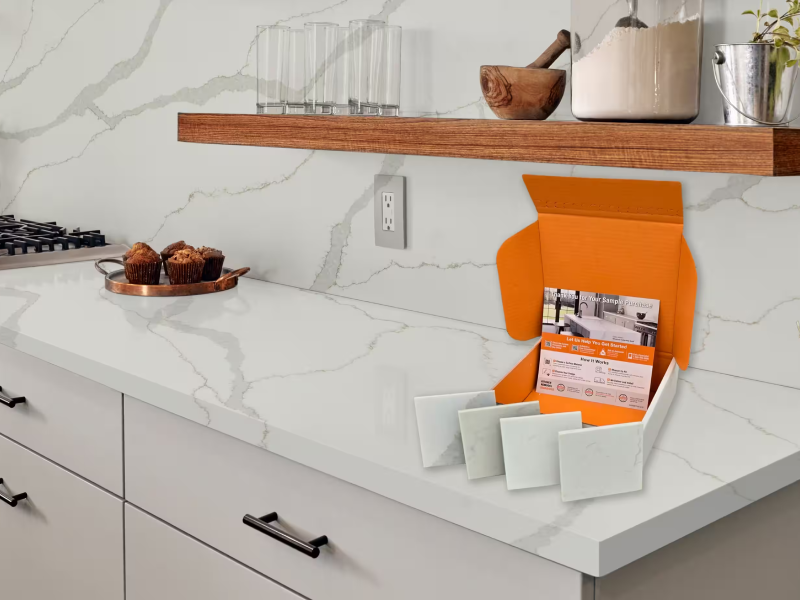
Granite measurement doesn’t have to be a challenging task. It’s all about determining the right quantity to ensure you neither over-purchase nor under-purchase for your needs. Always account for a margin of wastage and consider setting aside extra material for potential future repairs to ensure consistency in appearance between the old and new materials.
By following the methods explained above and utilizing our calculators, you can accurately determine or validate the quantity required for your project. Once you have a clear understanding of your needs, simply visit a granite factory or your nearest granite yard to make your purchase. While making your selection, you can use our granite weight calculator to estimate the weight of slabs, tiles, or blocks, helping you plan and manage logistics more effectively.
Take the Guesswork Out of Granite Measurements
Accurately measure and plan your granite projects with our easy-to-use calculators. Discover the tools tailored for various needs below:
Granite Weight Calculator
Flooring Material Calculator
Countertop (Platform) Calculator
Staircase Stone Material Calculator
Use these tools to streamline your project planning and make informed decisions. We have all the resources to simplify your granite measurements!