
Understanding the Weight of Granite Slabs

موهيت بودار
المؤلف فريق ستون غاليريا
info محتوى مكتوب ومُعتمد من قبل فريق ستون غاليريا - يجمع بين الخبرة العملية في صناعة الحجر ورؤى مدعومة بالأبحاث.
مراجعة بواسطة موهيت بودار رئيس تطوير الأعمال - ستون غاليريا الهند
info تم التحقق من الخبرة بواسطة موهيت بودار - مع خبرة عملية في مصادر الحجر الطبيعي، المعالجة واستشارات العملاء.
تم النشر: مارس 09, 2025 — 17:54 IST تم التحديث: فبراير 24, 2026 — 18:54 IST وقت القراءة: 5 دقيقة قراءة 645 المشاهدات تم التحقق من الحقائق تم التحقق من الحقائق
لماذا تم وضع علامة على هذه المقالة بأنها تم التحقق من الحقائق

تمر كل مقالة/مدونة من Stone Galleria بعملية تحقق قبل الحصول على علامة تم التحقق من الحقائق. يتم التحقق من التفاصيل الفنية - بما في ذلك اختلاف الألوان، والكثافة، والتشطيبات، وسلوك الإنتاج، وأصل المحجر - باستخدام سجلات المصنع، وفحوصات الألواح، ووثائق الموردين، وتجارب حقيقية في الموقع. يتم مراجعة المقالات من قبل خبراء المجال وتحديثها كلما توفرت معلومات جديدة أو مصححة.

النقاط الرئيسية by Stone Galleria AI

Granite has become a popular choice for home applications due to its durability and aesthetic appeal. However, its significant weight necessitates careful consideration in transportation, installation, and structural planning. Understanding the weight of granite slabs is crucial for ensuring safety and accurate cost estimation in construction projects.

  • Granite slabs are heavy, impacting transportation logistics and requiring appropriate handling equipment.
  • The weight of granite affects structural integrity, necessitating assessment by builders and engineers.
  • Factors like thickness, size, and mineral composition influence the overall weight of granite slabs.

Knowing the weight of granite slabs is essential for safe handling and accurate project planning.

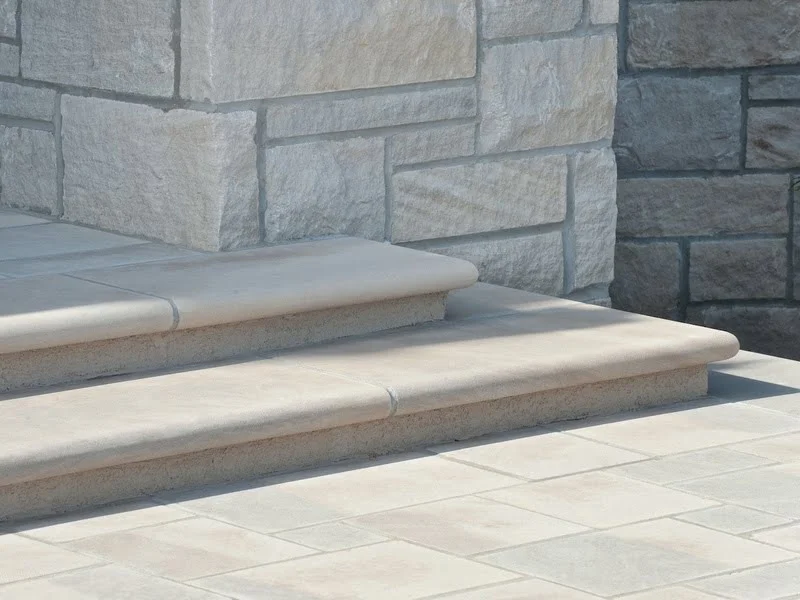
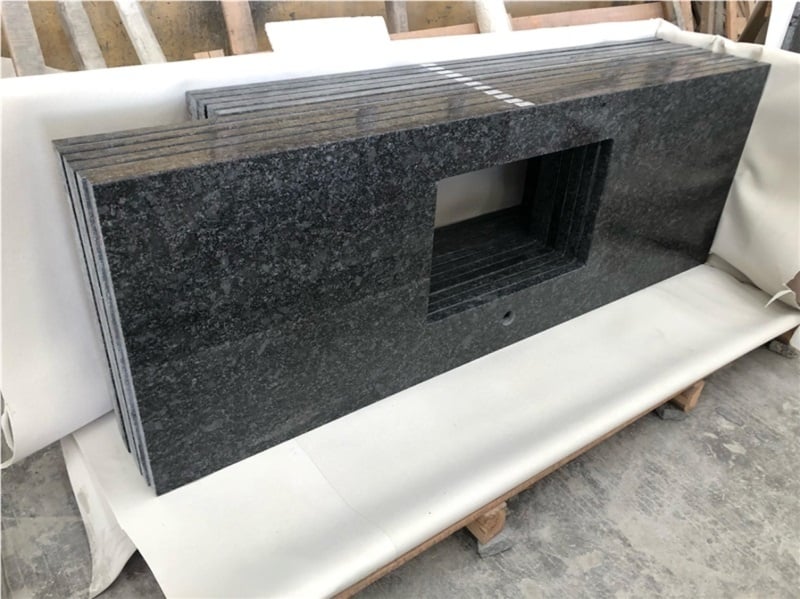
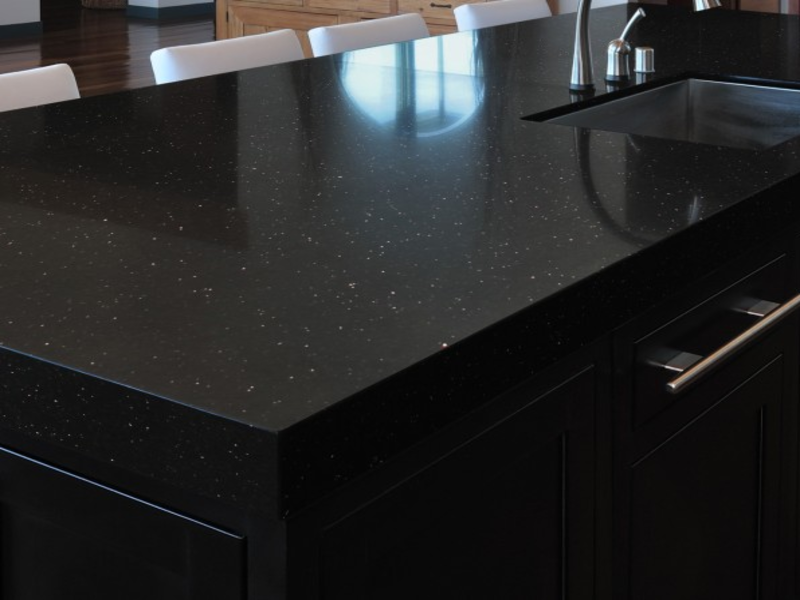
In recent years, granite has surged in popularity as the top choice for various areas of homes, including kitchen countertops, flooring, and steps. Renowned for its natural beauty, granite also boasts exceptional durability, withstanding heat, moisture, stains, and everyday wear and tear with remarkable resilience. 

Weight-of-Granite-Slabs

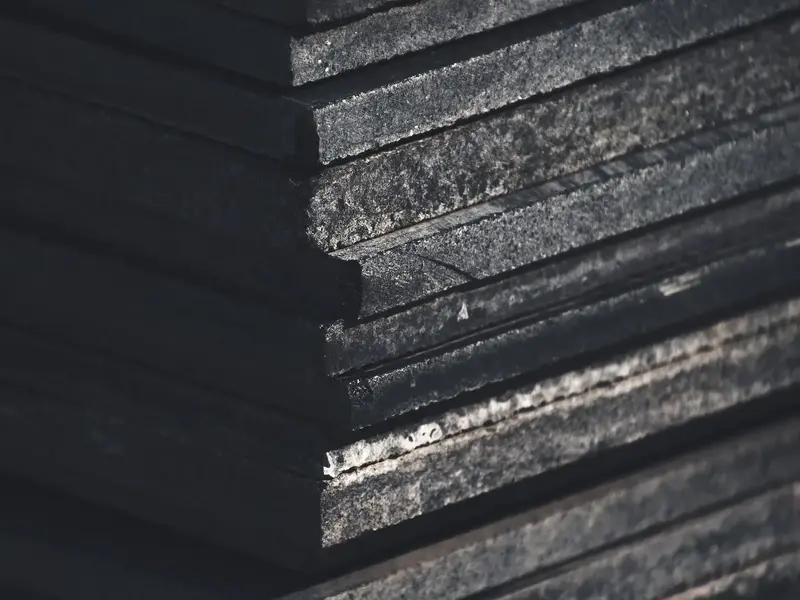
Yet, amidst its numerous advantages, it’s crucial to acknowledge one notable characteristic: its weight. Granite ranks among the heavier stones used in construction, and this factor warrants consideration. Unlike natural materials like wood, granite slabs contain no air pockets, resulting in greater density and weight.

In this post, we’ll delve into everything you need to know about the weight of granite slabs, exploring its significance in transportation, installation, and overall project planning. Understanding the weight of granite is essential for ensuring successful outcomes in your construction or remodelling endeavours.

Why Is It Important To Know The Weight Of Granite Slabs?

Knowing the weight of granite slabs is important for several reasons:

Transportation: Granite slabs are heavy, and knowing their weight helps in planning transportation logistics. Whether you’re moving the slabs from the quarry to your site or from the supplier to your home or project site, understanding the weight ensures you have the appropriate equipment and vehicles to handle the load safely.

READ | How Many Granite Slabs or Sq Ft. A Shipping Container Can Hold?

Handling and Installation: Granite slabs need to be handled carefully during installation to prevent damage and ensure safety. Knowing the weight helps installers prepare for lifting and manoeuvring the slabs safely. It also ensures that proper lifting equipment, such as cranes or hoists, is used when necessary.

Structural Considerations: If you’re installing granite slabs as countertops, wall cladding, or flooring, the weight of the slabs can impact the structural integrity of the building or surface. Understanding the weight allows builders and engineers to assess whether the structure can support the load adequately.

Cost Estimation: Transportation and handling costs are often based on weight. Knowing the weight of granite slabs helps in estimating the overall project costs accurately. It also allows for better budgeting and cost planning.

READ | How Many Granite Slabs or Sq Ft. A Shipping Container Can Hold?

Safety: Handling heavy materials like granite slabs can pose safety risks if not done correctly. Knowing the weight helps in implementing proper safety measures to prevent accidents and injuries among workers and bystanders.


What Factors Determine The Weight Of Granite Slabs?

Several factors influence the weight of granite slabs, including:

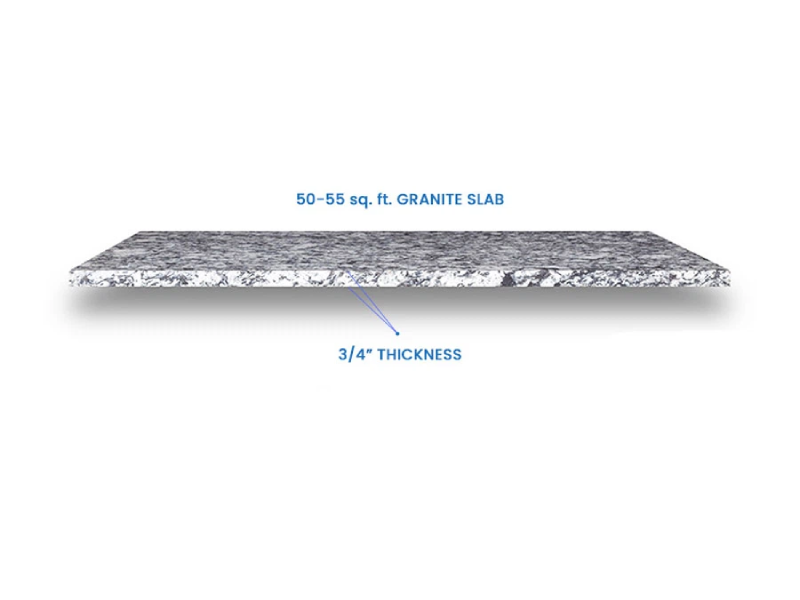
Thickness: Thicker granite slabs naturally weigh more than thinner ones. Slabs are available in various thicknesses, such as 2 centimetres (cm), 3 cm, or even thicker options. The thickness you choose will directly impact the weight of the slab.

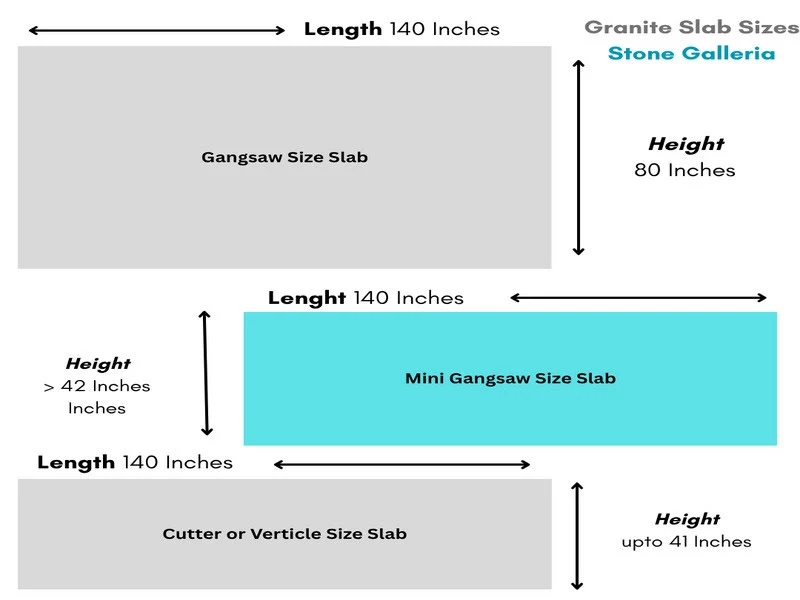
Size: Larger granite slabs weigh more than smaller ones due to the increased surface area. Standard slab sizes can vary, but common dimensions include 120 inches by 60 inches or larger.

Granite Density: The density of the specific granite variety affects its weight. Some types of granite are denser than others, resulting in heavier slabs. The density of granite typically ranges from 2.63 to 2.75 grams per cubic centimetre (g/cm³).

Water Content: The water content within the granite slab can also impact its weight. Some slabs may have higher water content due to factors like porosity, which can increase their weight.

Mineral Composition: The mineral composition of the granite can influence its weight. Variations in mineral content, such as the presence of quartz, feldspar, and mica, can affect the overall density and weight of the slab.

Finishing: Different granite finish types, such as polished, honed, or flamed finishes, can slightly alter the weight of the granite slab. However, the effect of finishing on weight is typically minimal compared to other factors.

Transportation: While not directly related to the intrinsic weight of the granite slab, transportation considerations, such as packaging materials and handling equipment, can affect the total weight being transported.

READ | How Many Granite Slabs or Sq Ft. A Shipping Container Can Hold?

By considering these factors, contractors, builders, and homeowners can better anticipate and manage the weight of granite slabs for transportation, handling, and installation purposes.

How Do Granite Suppliers Determine The Weight Of Granite Slabs?

Granite suppliers typically determine the weight of granite slabs by first assessing the density of the granite through laboratory testing. This involves analyzing samples of the granite to determine its density, which is a measure of its mass per unit volume. Once the density is known, suppliers can then calculate the weight of a particular slab based on its dimensions. By combining the density data with the slab dimensions, suppliers can ascertain the exact weight of the granite slab with a high level of precision. This ensures that customers receive accurate information about the weight of the granite slabs they are purchasing.

Granite-slab-measurement-for-kitchen-countertops

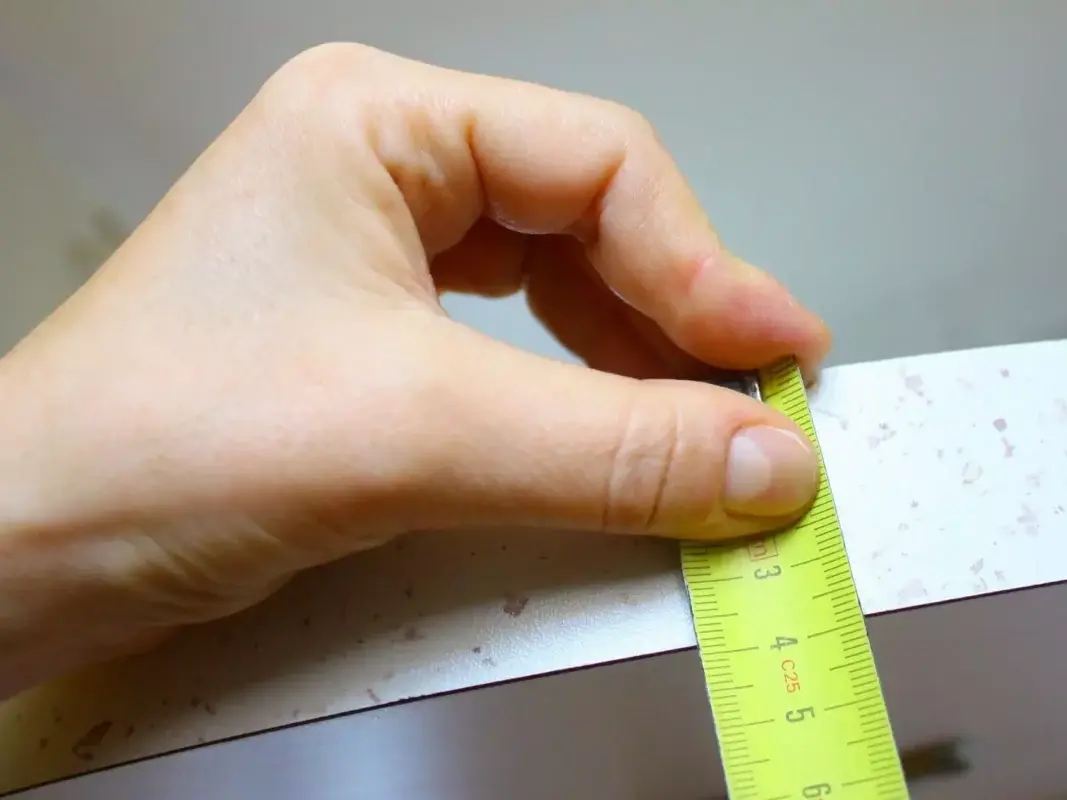
Measuring Granite To Know Square Foot

READ | Granite Slab Measurements: How to Measure it Yourself

Weight Of Granite Slab Per Square Foot

Determining the precise weight of a granite slab for kitchen countertops, stairs, or flooring can be challenging due to variations in layout and space requirements. Instead, granite is typically measured in square feet, which is a globally accepted unit of measurement. The thickness of the granite slab is a critical factor to consider, as thicker slabs are denser and consequently weigh more without increasing the square footage.

Most granite slabs are typically either 2 centimetres (cm) thick or 3 centimetres (cm) thick. While there are thicker granite slabs available, they are less common and tend to be more expensive.

Read | Granite Price Per Square Foot – Understanding Factors

A typical granite countertop is usually 2 centimetres (cm) thick, which equates to a weight of approximately 5.9 kilograms per square foot (kg/sqft). However, if the thickness is increased to 3 centimetres (cm), the weight per square meter can increase to around 8.9 to 9.8 kilograms (kg/sqft). In some instances, buyers may opt for a 5 centimetres (cm) thick granite slab, which can weigh up to 14.5 kilograms per square foot (kg/sqft).

To accurately estimate the weight of your granite for your project, it’s essential to utilize a reliable granite weight calculator. These calculators consider factors such as thickness, size, and density to provide precise weight estimations.

However, this weight can vary depending on the specific characteristics of the granite slab. It’s best to consult with your supplier or manufacturer for the exact weight of the granite slab you are considering.

الأسئلة الشائعة

The weight of a 1 square foot of granite may differ based on its thickness, density, surface and edge finish. On average, a square foot of granite usually weighs between 12 to 15 pounds (lbs) or about 5.4 to 6.8 kilogrammes (kg).


The weight of granite may fluctuate based on factors like its density, thickness, and dimensions. Typically, granite weights about 2.63 to 2.75 grammes per cubic centimetre (g/cm³) or roughly 168 to 173 pounds per cubic foot (lbs/ft³).


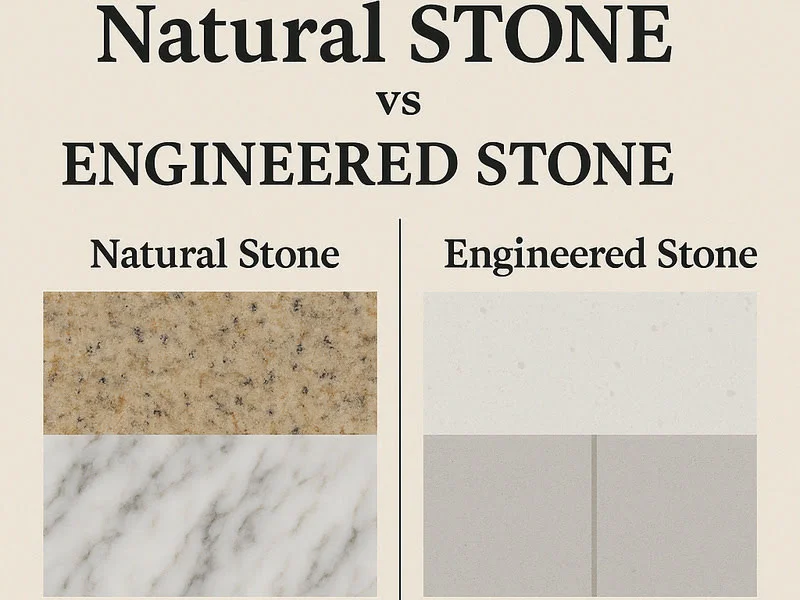
Indeed, granite typically weighs more than quartz. Granite, a natural stone, is primarily made up of quartz, feldspar, and other minerals, resulting in a higher density. Quartz countertops are manufactured from engineered stone surfaces composed of quartz crystals, resins, and pigments. Quartz is known for its density and durability, but it is generally lighter than granite because of how it is made and its composition.


Typically, a standard granite slab measuring 120 inches by 60 inches and 1.25 inches thick can weigh around 600 to 900 pounds (272 to 408 kilogrammes). Nevertheless, the granite slab’s weight can differ greatly based on its unique features. Thicker or larger slabs tend to be heavier, whereas thinner or smaller slabs are lighter. Moreover, the density of the granite can impact its weight.


The weight of granite slabs can vary based on factors like stone density and slab size. Typically, 3cm granites weigh around 19 pounds per square foot, totaling approximately 900-1,200 pounds per slab.


To calculate the weight of granite, you can use the following formula: Weight = Volume × Density 1. Measure the dimensions of the granite slab in feet (length, width, and thickness). 2. Calculate the volume of the granite slab by multiplying the length, width, and thickness together. 3. Convert the volume to cubic feet. 4. Determine the density of the specific type of granite you’re using. The density of granite typically ranges from 2.63 to 2.75 grams per cubic centimeter (g/cm³). 5. Convert the density to pounds per cubic foot (lbs/ft³) if necessary. 6. Multiply the volume of the granite slab by its density to find the weight in pounds. Example: Let’s say you have a granite slab with dimensions 10 feet long, 5 feet wide, and 0.75 feet thick. Volume = 10 ft × 5 ft × 0.75 ft = 37.5 cubic feet Assuming the density of the granite is 2.65 g/cm³ (or 165 lbs/ft³): Weight = 37.5 ft³ × 165 lbs/ft³


Reviewer: Mohit Poddar

عن المراجع — موهيت بودار

رئيس تطوير الأعمال · ستون غاليريا الهند

Have Insights to Contribute?

Are you an architect, interior designer, builder, or natural stone professional? If you have insights, corrections, or real-world experience that could enhance this article, we'd love to hear from you.

We occasionally feature expert perspectives and review submissions carefully, publishing only those that align with our focus on natural stone and design.

Write to Us
Trust Icon لماذا يمكنك الوثوق بمعلومات الحجر ورؤى الصناعة لدينا
في Stone Galleria، نحن لا نكتب فقط عن الحجر الطبيعي - بل نعمل به كل يوم. نحن نحصل على كتل خام من مشغلي المحاجر الموثوقين، ونعالجها داخليًا، ونعمل عن كثب مع المقاولين، والتجار، والمصنعين، والمشترين - سواء في الهند أو دوليًا.

بصفتنا مصنعين، نرى ما يحدث حقًا - من اختيار الكتل الخام إلى إنهاء الألواح - بما في ذلك التحديات، والمقايضات، والأسئلة الشائعة التي تظهر أثناء المشاريع الفعلية. ما نشاركه هنا يعتمد على الإنتاج في الوقت الحقيقي، والمحادثات الصناعية، وعمليات المصنع اليومية لدينا - ليس فقط البحث عبر الإنترنت.

لهذا السبب المعلومات التي ستجدها هنا عملية، قائمة على الخبرة، ومشكلة من واقع العمل مع الحجر - كل يوم.

Explore Granite Slabs by Size, Thickness & Weight

Looking for slabs with known weight and structural consistency? Browse our granite collection where size, thickness, and estimated weight are clearly outlined to help you plan better.

See Available Slab Sizes

Need Help Estimating Granite Weight for Your Project?

Unsure how granite weight impacts handling or logistics? Reach out to our team for assistance in planning based on slab size, thickness, and application.

Use Granite Weight Calculator

أحدث المدونات من Stone Galleria

أكثر المدونات شعبية

تفضيلات الكوكيز

ضروري بشكل صارم (نشط دائمًا)

كوكيز التحليلات

كوكيز التسويق